
No Room to Grow In Hayward
How Hayward’s zoning and policies pushed Down By The Bay Nursery to settle down in Fremont.
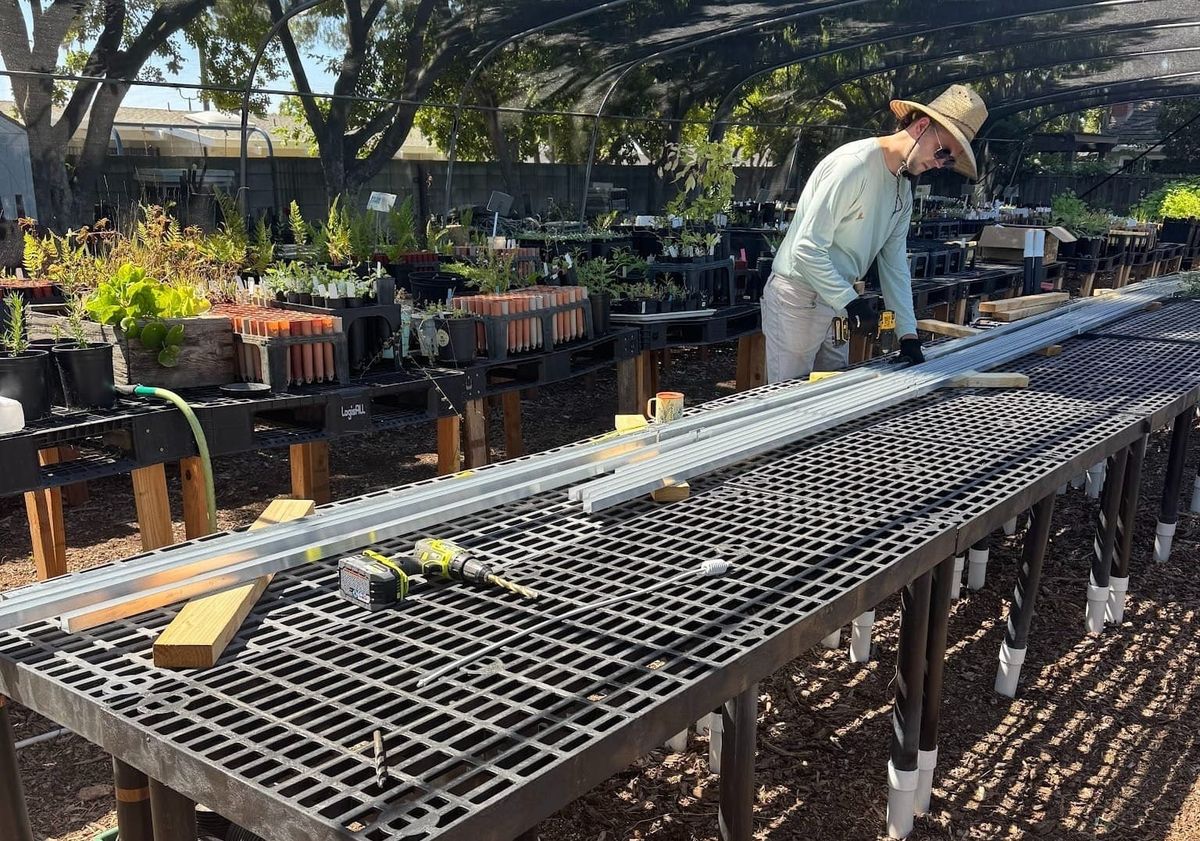
Across the Bay Area, independent nurseries provide residents, landscapers, and other businesses with access to native and drought-tolerant plants. Hayward is a notable exception. Today, the Home Depot on Hesperian Boulevard is the city’s only large-scale retailer offering a broad selection of outdoor plants, leaving residents looking for an independent nursery with little choice but to leave the city.
That absence stands in contrast to Hayward’s environmental priorities. Hayward has adopted a Climate Action Plan aimed at reducing greenhouse gas emissions by 2030, maintains a Clean & Green Commission that organizes neighborhood beautification efforts, and recently implemented a Tree Preservation Ordinance intended to protect mature trees and expand the city’s urban canopy. The city was also recognized as a Tree City for 34 consecutive years before the designation was temporarily suspended during the COVID-19 pandemic. Beyond providing plants, independent nurseries also serve as community resources, offering specialized guidance on California native species, pollinator habitat, water-wise landscaping, and long-term plant care that is often difficult to find at large retail chains.
The Hayward Herald first profiled Hayward resident and native plant advocate Josh Cheng-Rubietta in October 2024 while Down By The Bay Nursery was operating out of the South Hayward Market and the city was implementing its Tree Preservation Ordinance. At the time, Cheng-Rubietta hoped to eventually establish a permanent nursery in Hayward. Nearly two years later, that goal remains out of reach.
A Nursery Without a Home
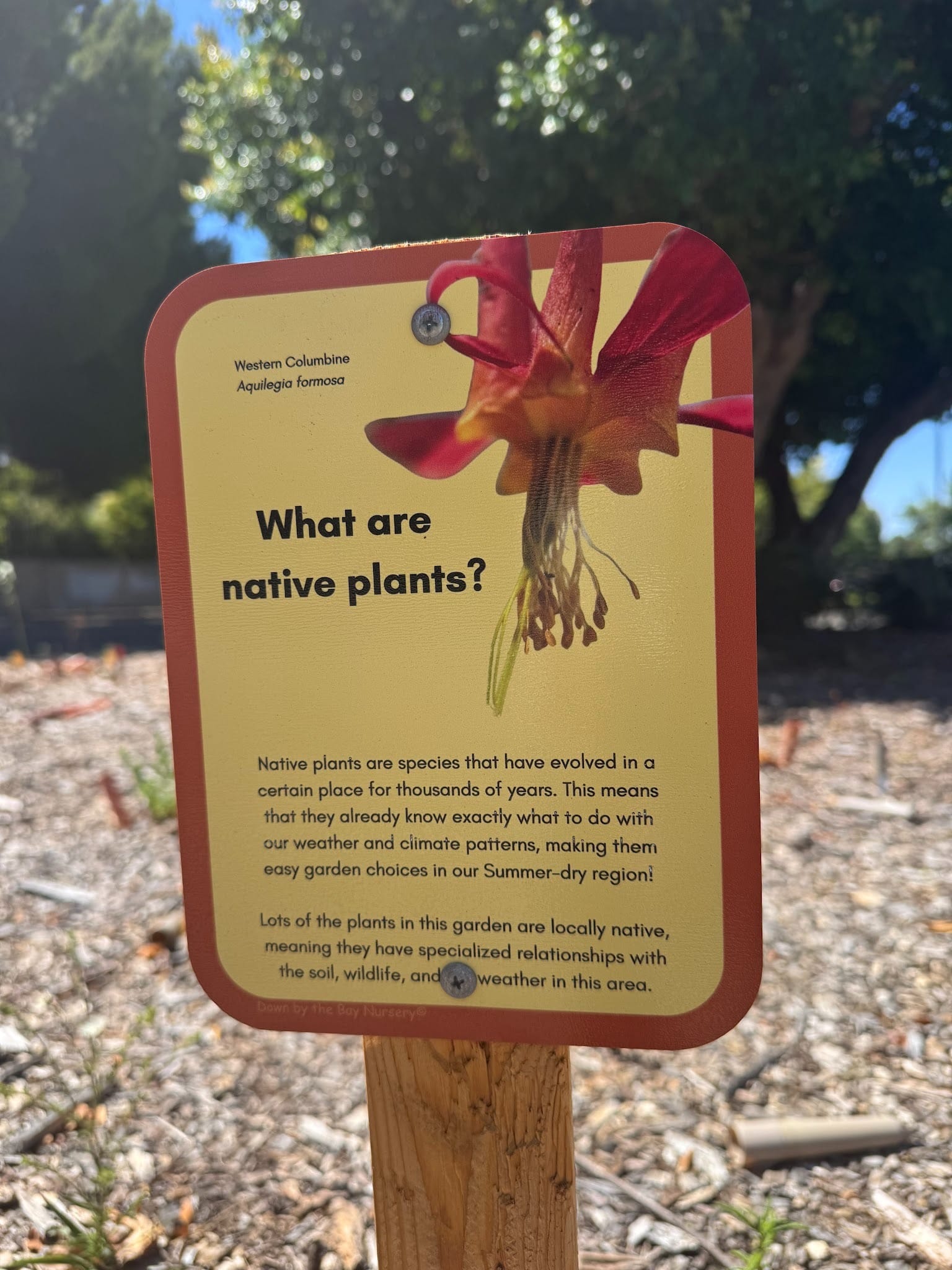
Cheng-Rubietta founded Down By The Bay Nursery in 2022, first selling native plants from his home before expanding to the South Hayward Market. His goal was to establish a full-scale outdoor nursery in Hayward that would make native plants more accessible while supporting the city’s own environmental initiatives. Beginning in 2024, Cheng-Rubietta worked with staff in Hayward’s Development Services Department to identify potential locations for an outdoor nursery. Staff explained that existing zoning regulations severely limited where such a business could operate and that extensive water infrastructure, including plumbed restroom facilities, would be required.
Under Hayward’s zoning code, outdoor nurseries are permitted by right only in Flood Plain and Agricultural districts. In reality, that leaves few viable locations. Approximately 80% or 1,841 acres of the city’s Flood Plain zoning falls within Hayward Regional Shoreline, while only a handful of Agricultural parcels remain, most of which are suited to ranching rather than commercial nursery operations.
Commercial districts require a Conditional Use Permit for outdoor nursery operations, while industrial districts generally limit nurseries to indoor operations unless an open storage exception is granted. Relatively modest changes, such as permitting outdoor nurseries by right in selected Commercial districts or expanding the areas where they are allowed could significantly reduce the barriers facing independent nursery operators without fundamentally changing the character of surrounding neighborhoods.
“I spoke with Planning, I spoke with the Economic Development Division, and on both fronts they said, ‘You’re going to have to have a bathroom at your nursery, and a porta potty won’t cut it. It has to be in a specifically zoned area.’ So when I said, ‘Can you help me find some areas then?’ they came back and said, ‘Oh, there really aren’t any.’” – Josh Cheng-Rubietta
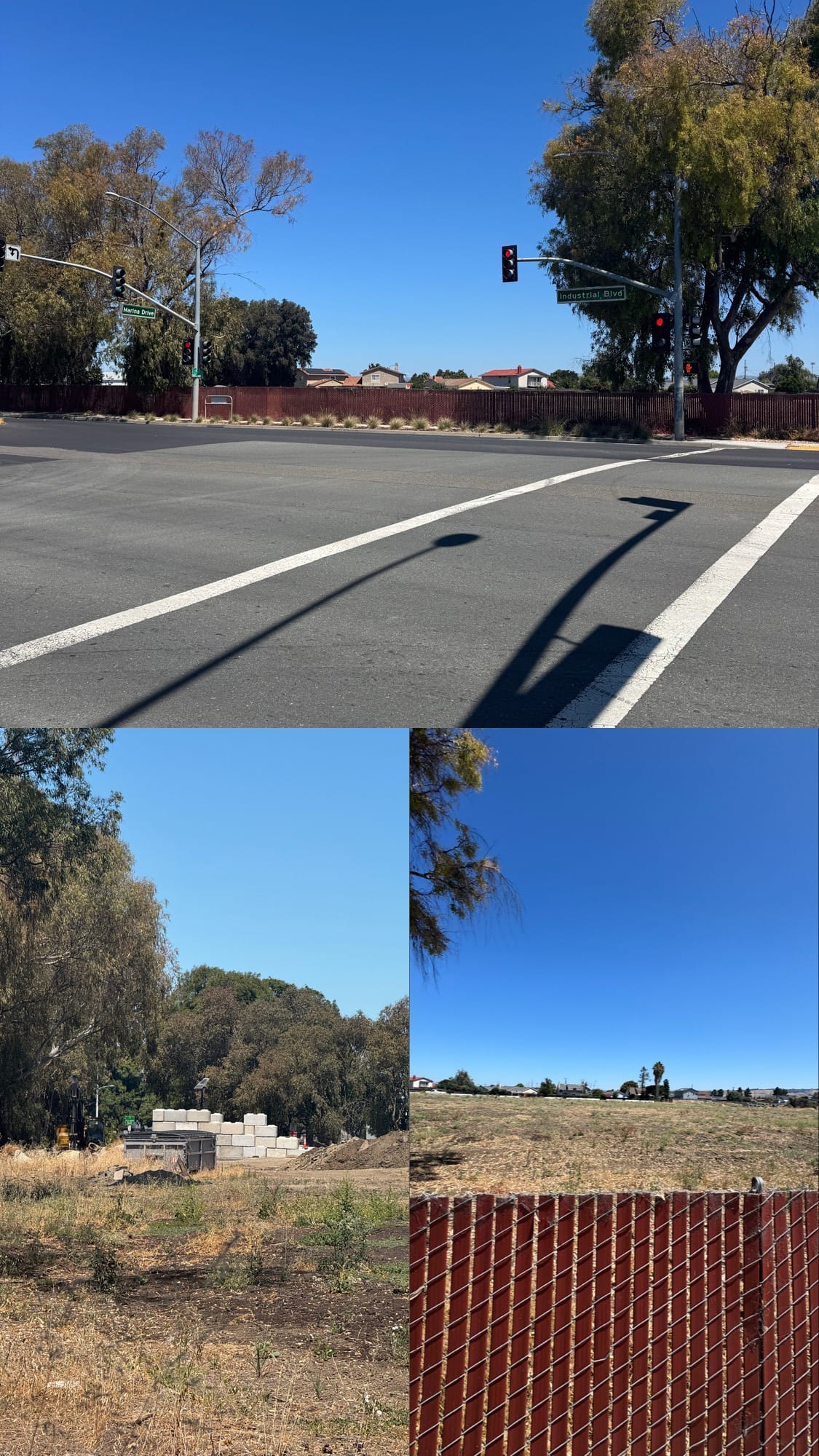
Cheng-Rubietta even explored the vacant lot at Industrial Parkway and Marina Drive near Costco but was told the city had declined previous proposals to develop the property. When I visited the site, it appeared to be used primarily for storing construction materials, likely owned by the city. He also approached the Hayward Area Recreation and Park District (HARD) about operating a nursery on one of its properties but was quickly denied after clarifying that he intended not only to grow native plants, but also to sell them.
After exhausting his options in Hayward, Cheng-Rubietta ultimately searched elsewhere.
A Home in Fremont
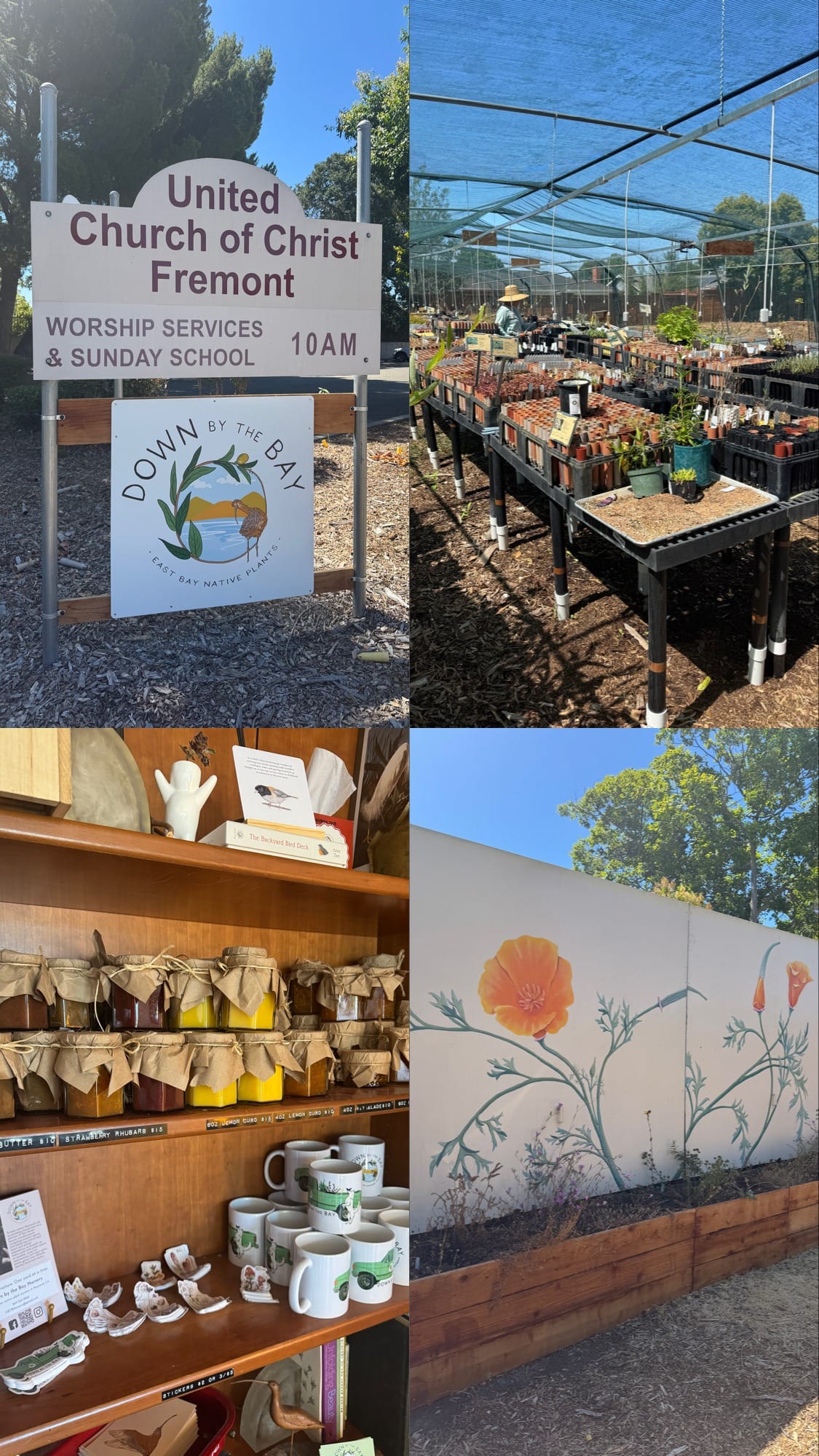
Down By The Bay Nursery found a home at the United Church of Christ in Fremont after business partner Phil Stob identified the opportunity. In exchange for space to operate the nursery, Cheng-Rubietta and Stob help beautify and maintain the church grounds while hosting educational events for the children’s ministry. Operating on private property also meant a much simpler approval process. Fremont required only a $45 business license. By comparison, Hayward charged a $29 application fee, a $10 technology fee, and an $82 planning review fee before broader zoning considerations were even addressed. Had Cheng-Rubietta pursued a location in one of Hayward’s commercial districts, obtaining the required Conditional Use Permit would have also required an initial $8,000 deposit, with an additional ‘Time and Materials’ charge on the actual staff hours spent processing the application.
The nursery has since expanded to include two large hoop houses and a small retail office offering native plant garden signage alongside homemade jams, jellies, and custards produced by Down By The Bay. I can personally recommend the lemon custard and strawberry-rhubarb jam. Cheng-Rubietta is also partnering with UC Davis to obtain phytosanitary certification, a rigorous process requiring raised nursery tables, fencing, improved sanitation practices, and upgraded irrigation systems to ensure plants remain free of pests and disease.
Still Rooted in Hayward
Although Down By The Bay Nursery operates in Fremont, Cheng-Rubietta continues to find support from leaders at Hayward City Hall. Assistant City Manager Mary Thomas and Councilmember George Syrop both attempted to help identify a location where the nursery could operate, but those efforts were ultimately unsuccessful. While a permanent nursery location has proved elusive, opportunities for collaboration have not.
“I told them (Mary Thomas and George Syrop) that I am very much hoping to be in Hayward still one day. My dream would be to have two locations in Hayward and Fremont.”
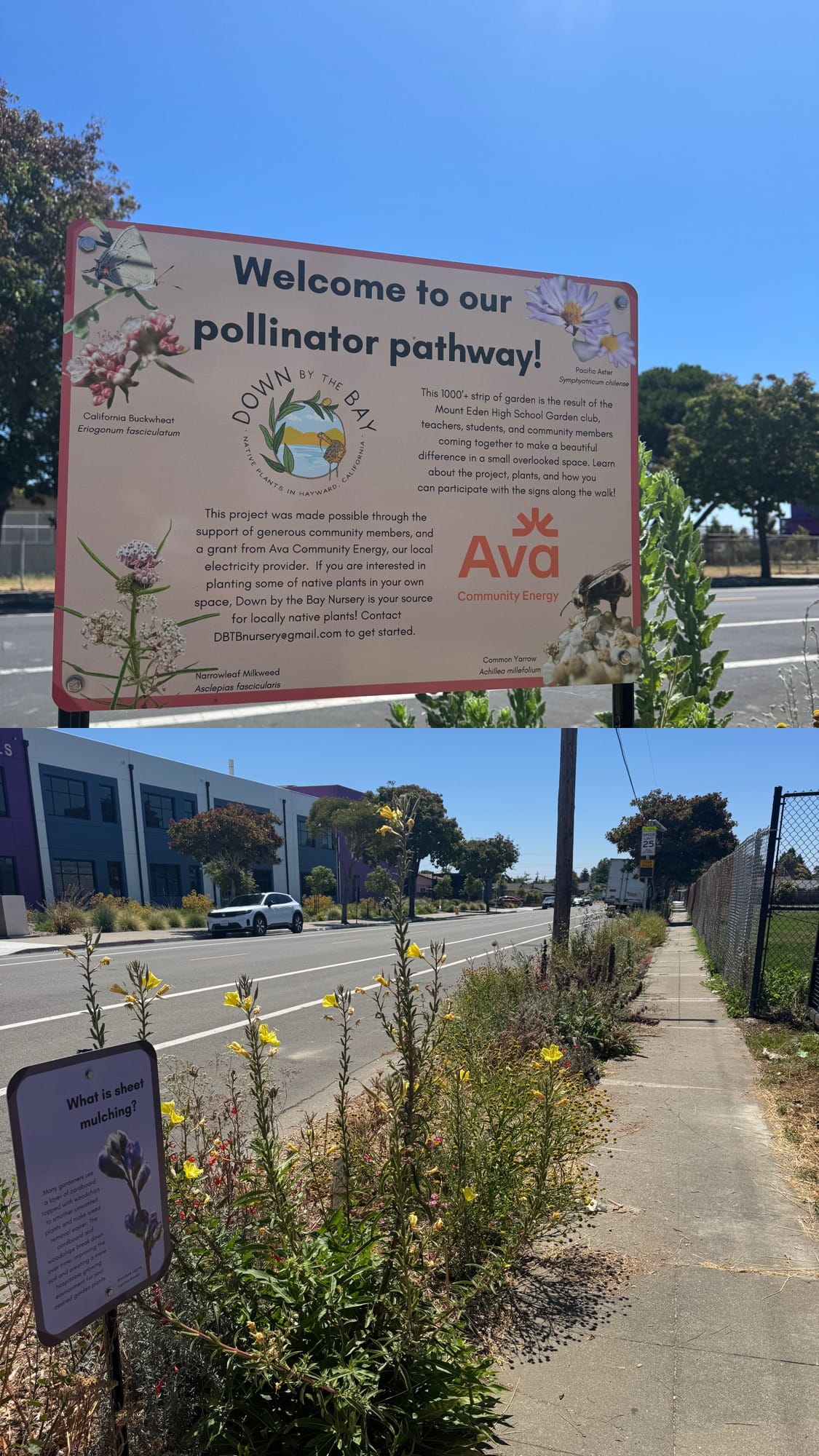
Working alongside Hayward City Landscape Architect Theo Spours, Cheng-Rubietta also helped create a native pollinator pathway at Mt. Eden High School. Supported by a grant from Ava Community Energy and volunteers from the Mt. Eden Garden Club, the project brought native plants to Calaroga Avenue. Under normal circumstances, an encroachment permit would have been required, but Spours granted an exemption in hopes of encouraging similar projects in the future. Cheng-Rubietta hopes to partner with Eden Gardens Elementary in Hayward, and Spours on additional native landscaping projects.
Hayward has invested significant effort into expanding its tree canopy, encouraging drought-tolerant landscaping, and promoting climate resilience. Those goals, however, depend on more than policies and planning documents. They also require local businesses that can provide residents, schools, nonprofits, landscapers, and homeowners with the plants and expertise needed to put those goals into practice.
Updating Hayward’s zoning code to better accommodate outdoor nurseries would do more than benefit a single business. It would better align the city’s land use policies with the environmental priorities it has already embraced. As Hayward continues investing in climate resilience and urban greening, it is also investing millions in maintaining those landscapes.
Last October, the City Council approved a resolution authorizing the City Manager to negotiate and execute a contract of up to $3.2 million over five years for landscape maintenance. Under the agreement, the contractor, Los Lazo, is responsible for furnishing labor, equipment, and materials needed to complete the work. While the contract does not dictate where those materials are sourced, creating a clearer path for independent nurseries in Hayward would expand local business opportunities and better position Hayward to support the environmental investments it is already making.
Cheng-Rubietta still hopes to establish a permanent nursery in Hayward. Until then, Down By The Bay continues serving Hayward from Fremont. He welcomes conversations with schools, nonprofits, churches, private property owners, and others interested in partnering to bring more native plants, educational programming, and habitat restoration projects to Hayward.

Comments ()