
Stack can’t be stopped, but residents are shaping what comes next.
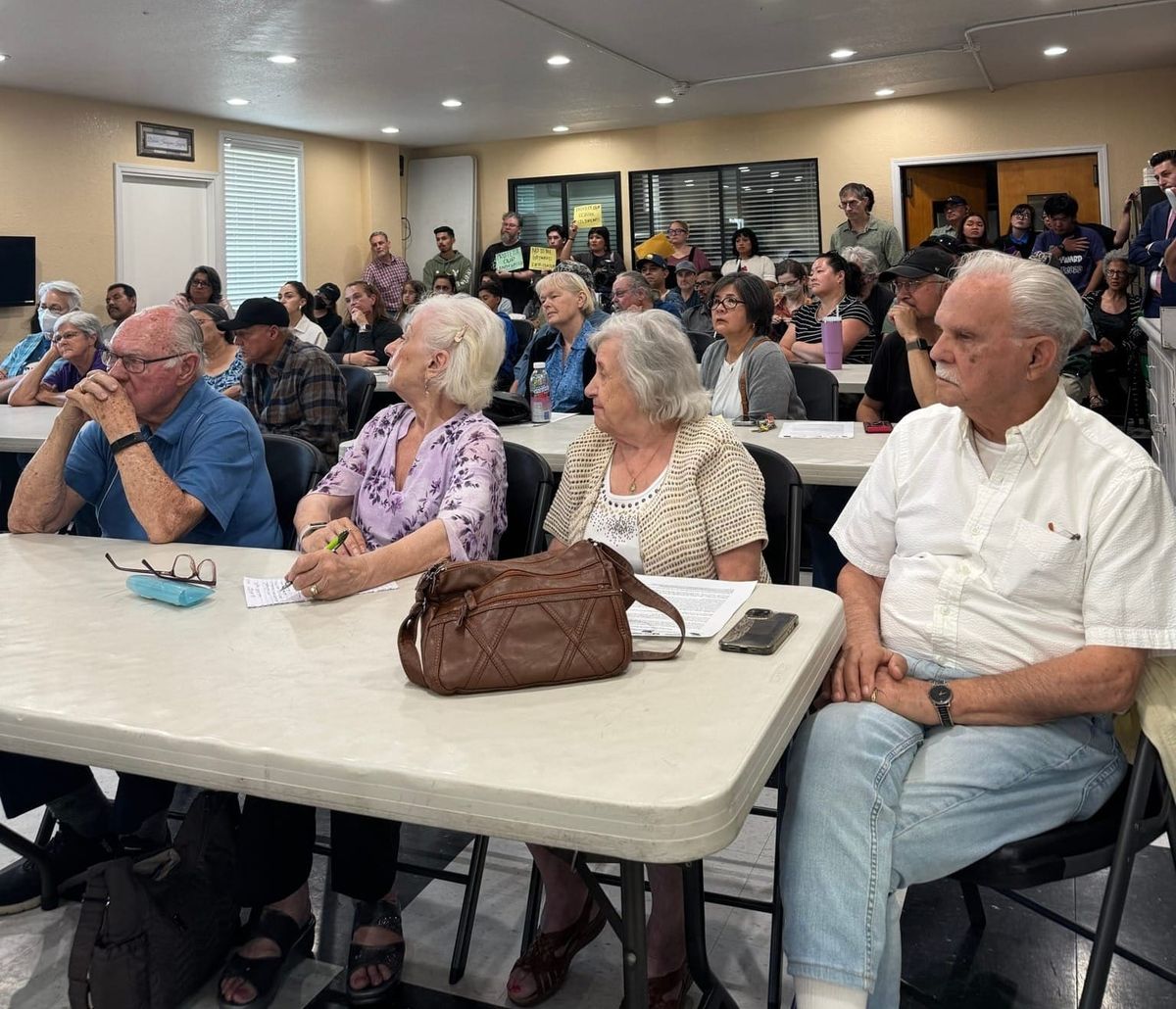
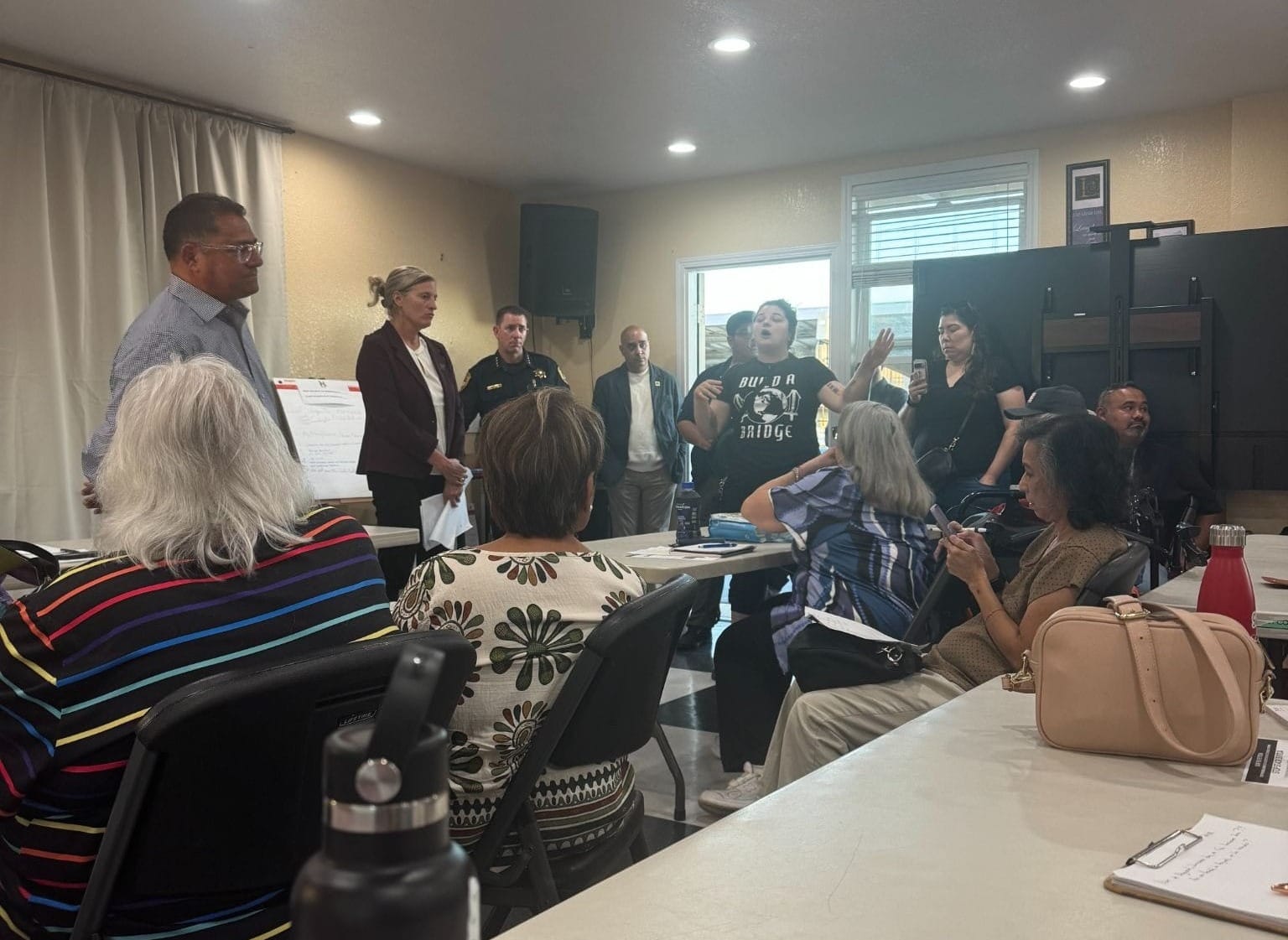
Seniors began filling the room at Community Church of Emmanuel on August 11, but as Hayward Mayor Mark Salinas's town hall got underway, residents of all ages and backgrounds pushed the room past capacity. Every seat was occupied, people lined the room's perimeter and others stood outside trying to listen in. Salinas intended to provide updates on crime, transportation, and other city issues, but the room's energy was focused on the Stack Infrastructure data center and concerns about its potential environmental impacts.
Residents demanded answers about how the project was allowed to move forward, questioned the extent of its environmental review, and repeatedly placed responsibility on Salinas, the City Council, and Planning Commission. Printouts of a petition opposing the project circulated throughout the room before its organizers ultimately presented it to Salinas and City Manager Jennifer Ott. The petition spread through social media, an Indivisible East Bay newsletter, and flyers posted at local businesses. As of August 17, the petition has attracted more than 2,100 signatures. Salinas's only mayoral opponent Tom Wong attended with Hayward Unified School District candidate Joe Ramos, as residents expressed anger over what they saw as a lack of meaningful opportunity to weigh in on one of Hayward’s largest new developments.
The Hayward Herald has been following the Stack data center since June of 2024. Our local reporting keeps residents informed about what's happening in their city. If that work is important to you, consider becoming a paid member to support local independent journalism.
But confusion remains about how the data center was approved, the environmental review it underwent, and whether local elected officials actually have the power to stop it. With the project already approved, the more important question may no longer be who residents should blame, but where their frustration can still make a difference.
The Path to Approval
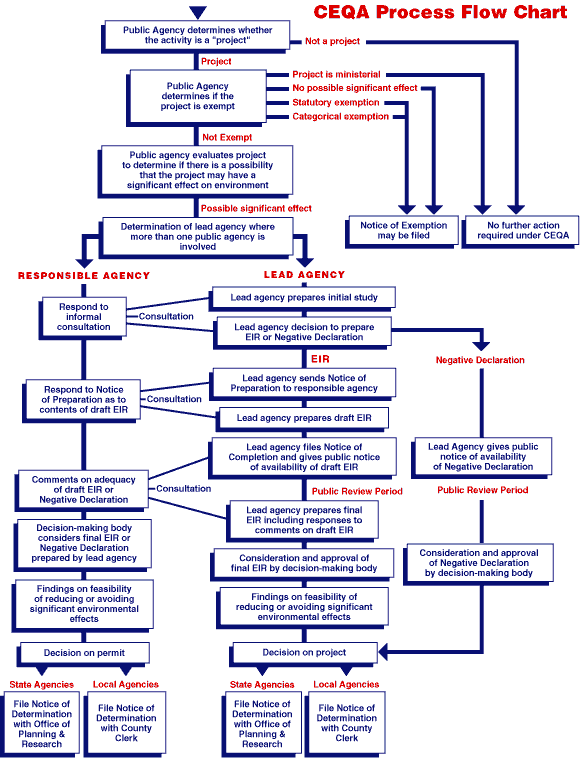
The California Environmental Quality Act (CEQA) requires potential environmental impacts to be evaluated before certain projects receive government approval. For Stack, much of that environmental review fell not to Hayward, but to the California Energy Commission (CEC), which served as the project’s lead agency under CEQA. Hayward served as the responsible agency, relying on the CEC’s analysis. As part of Stack’s application for a Small Power Plant Exemption (SPPE) for its backup generator yard, the CEC conducted an Initial Study examining potential impacts on air quality, biological resources, water and energy use. The commission ultimately determined that potentially significant impacts could be reduced through mitigation, eliminating the need for a full Environmental Impact Report. On May 8, 2025, the CEC adopted a Mitigated Negative Declaration (MND) and granted Stack’s SPPE.
For many residents, that determination has not resolved concerns about the long-term and cumulative effects of operating multiple data centers in Hayward, particularly near a sensitive shoreline habitat. Stack is one of four data centers operating or under construction in the city, alongside Amazon SF09, Amazon SF011 and Hayward Exchange @92. Residents have called for deeper environmental review, but the window to challenge the CEC’s findings on Stack largely closed before widespread opposition emerged. The CEC posted its Final Initial Study and MND for public comment from March 21 through April 22, 2025. Of three comment letters received, only Mission Peak Conservancy called for a full Environmental Impact Report.
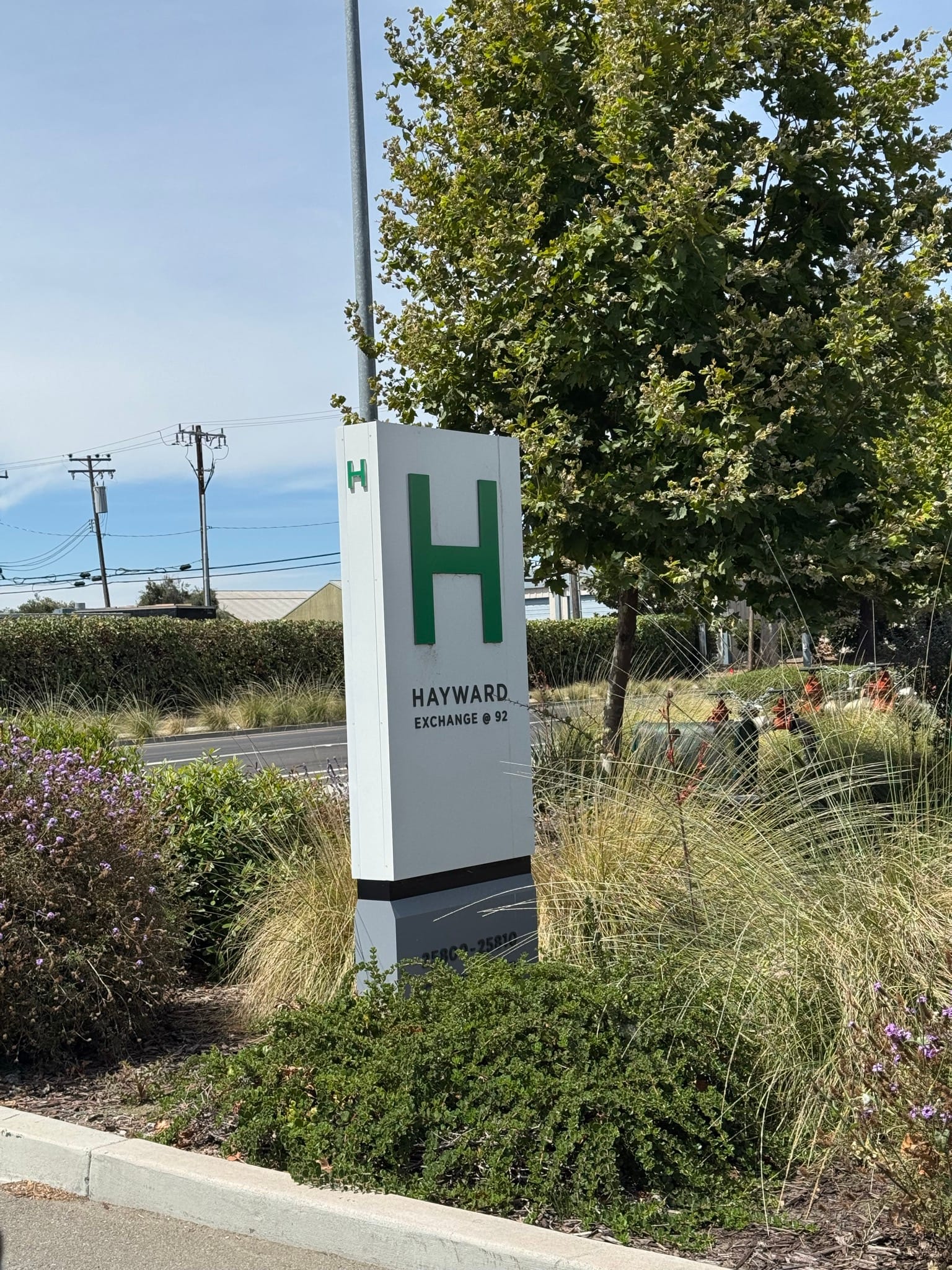
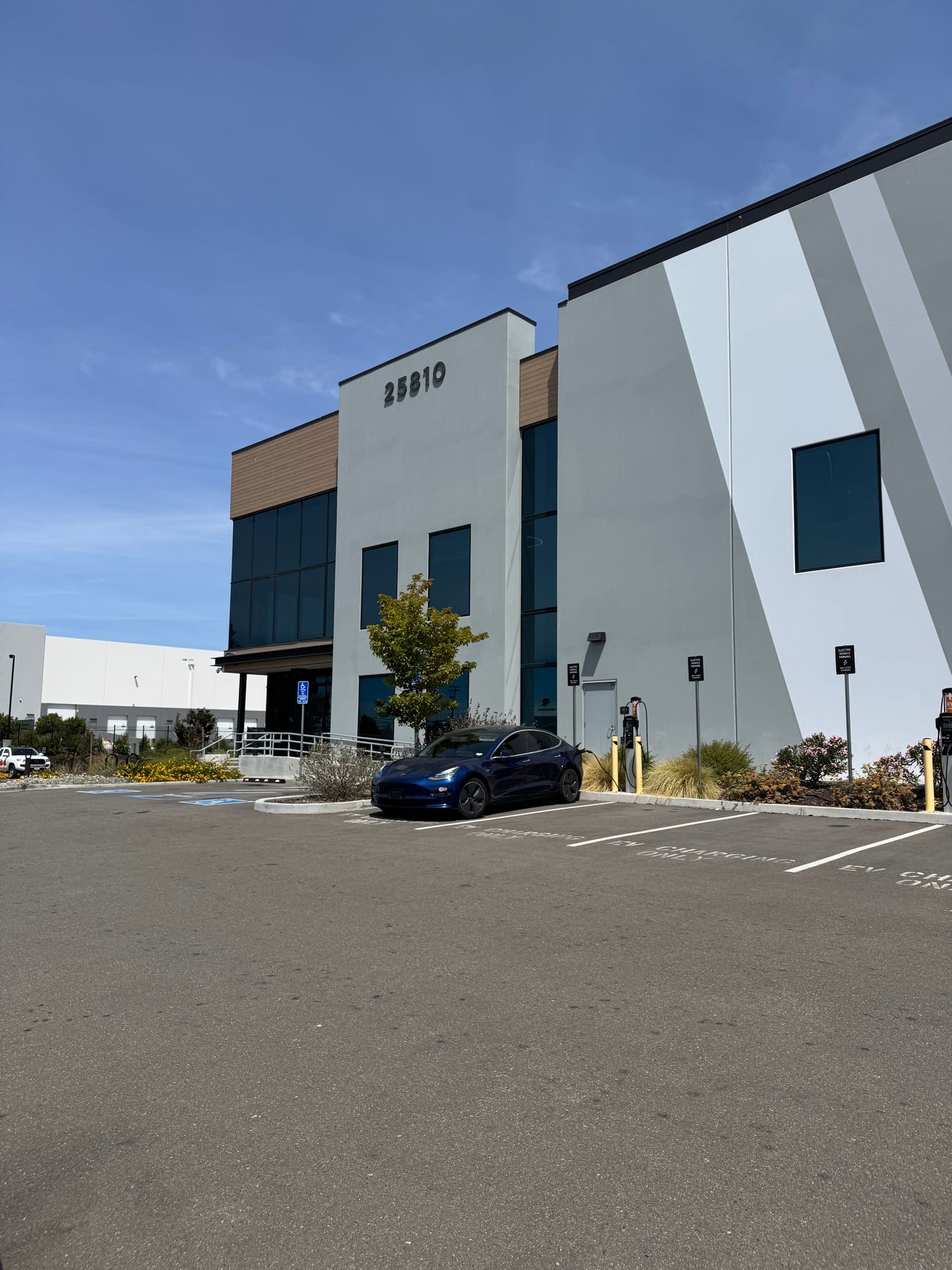
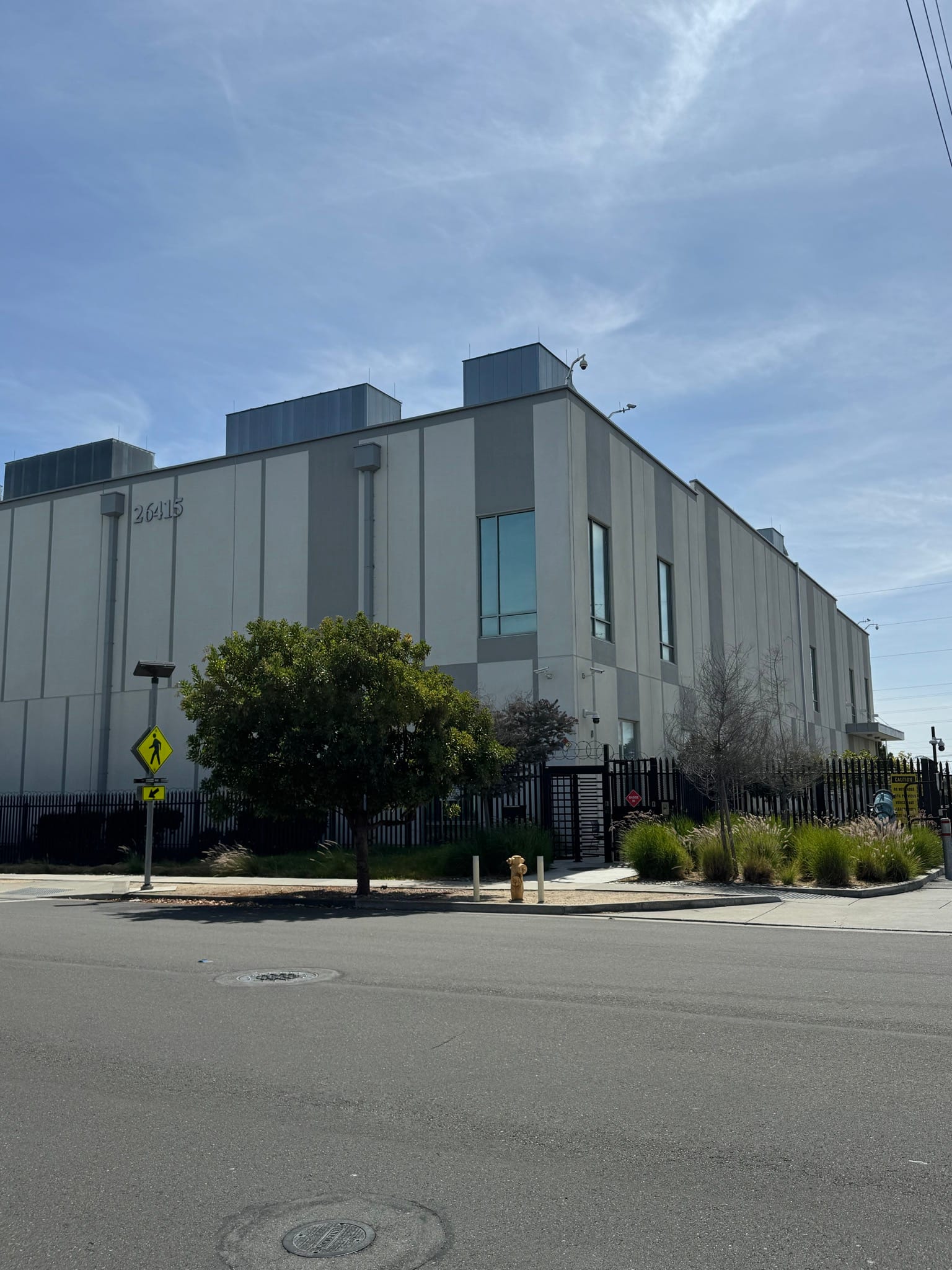
Hayward Exchange @92 left and middle photo. Amazon SF09 right. Photos by Naomi Powell-Ha
But the CEC's decision did not approve construction. Local land-use authority remained with Hayward, where the city's municipal code classified data centers under the broader "office" category, allowing them to be approved administratively by city staff. The Planning Commission only became involved because Stack requested permission to exceed standard height limits. Otherwise, the project could have proceeded through staff-level approval. Neither Salinas nor the City Council voted to approve the data center.
The controversy nevertheless exposed a gap between what Hayward's municipal code allowed and the level of public scrutiny residents expected. In April, the City Council changed the rules so data centers would be treated as a distinct land use. And large projects require a Major Conditional Use Permit and final approval from the Council following a public hearing, closing the loophole that allowed Stack to advance without limited public input.
When Public Notice Goes Unnoticed
One of the most persistent frustrations expressed by residents is that the project was approved without broader public notice. The public record, however, shows that notice began more than a year before Stack’s approval and was provided multiple times throughout the planning process.
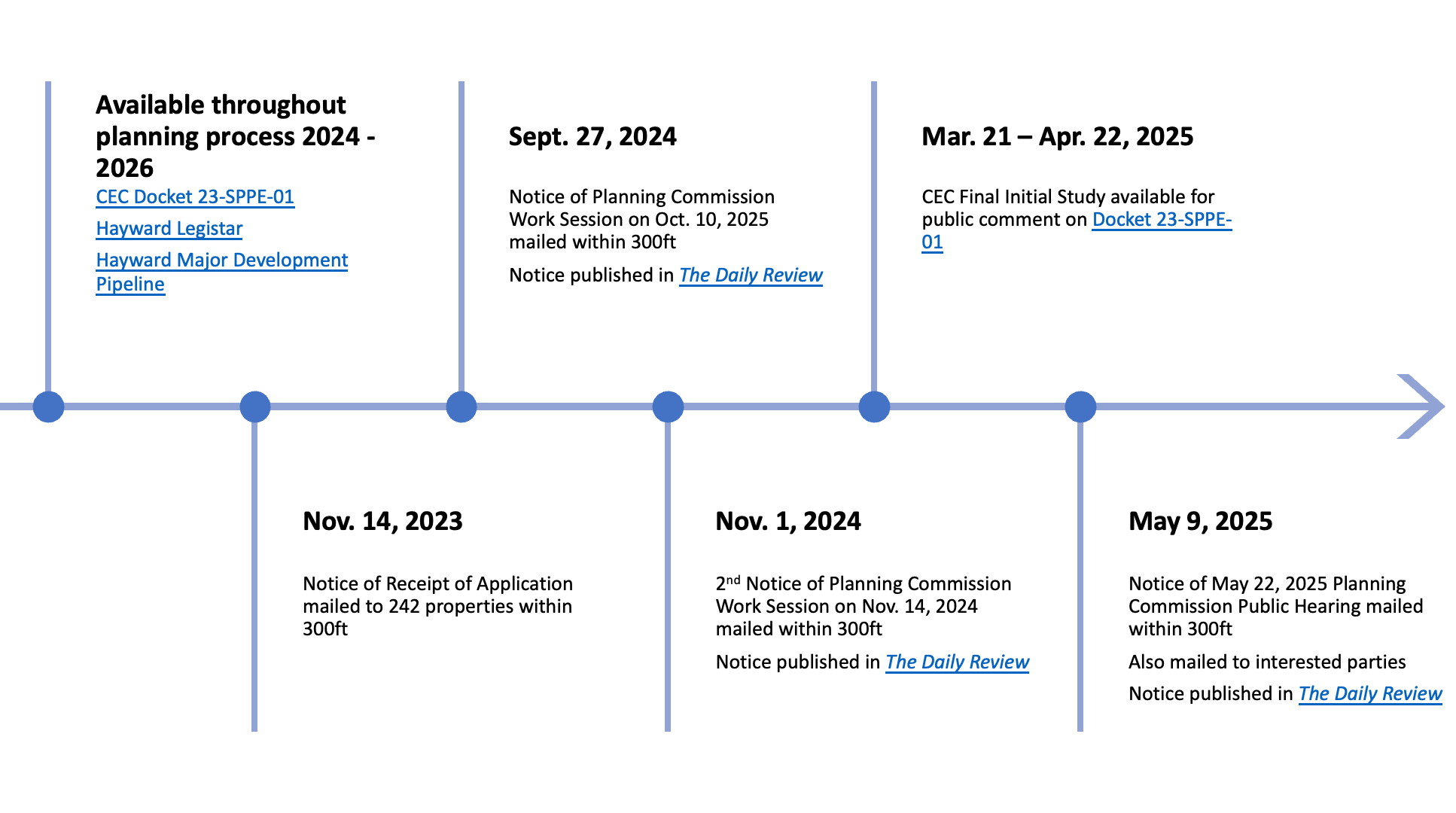
Public notice requirements vary by based on the type of project and approvals involved. Government-led projects often require broader public notice and participation than private developments such as Stack, which is built on private property. That distinction does not mean private projects receive less environmental scrutiny, however. CEQA still applies when private developments require government approval.
In addition to the city's formal notification process, project materials remained publicly available on the CEC's website, Hayward Legistar, and Hayward's Development webpage throughout the review. Stack did not advance without public notice or access to information, but the limited attention it received also illustrates the shortcomings of traditional noticing requirements. Meeting legal obligations, in this case, did not necessarily translate into broad public awareness.
The Legal Limits of Reversing Course
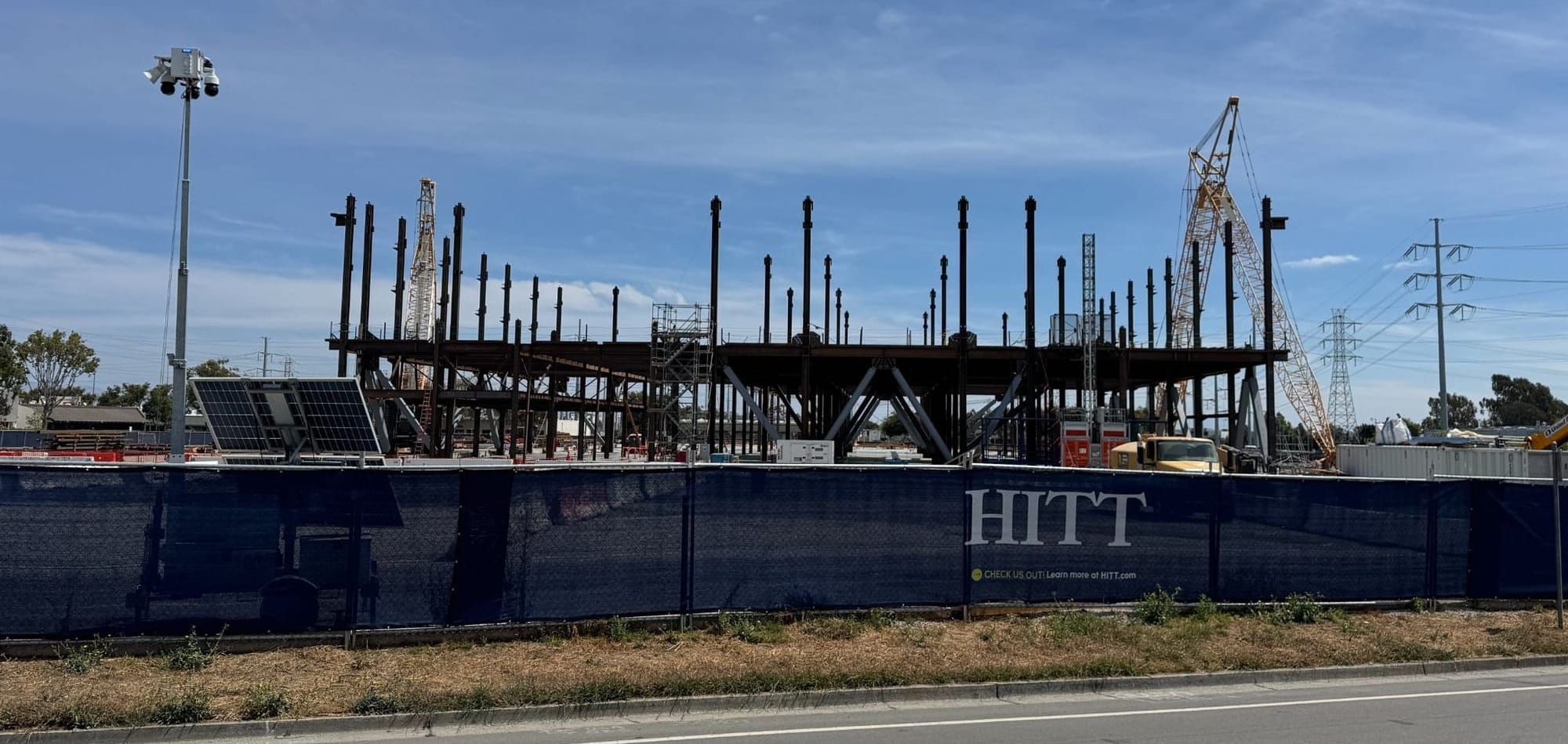
At the August 11 town hall, residents repeatedly asked: Can Hayward stop the data center, or are officials simply unwilling to do so? At this stage, the city cannot withdraw Stack's approvals because of resident opposition. Under California law, developers can acquire vested rights after receiving valid permits, limiting a city's ability to change course. Revoking permits requires a legally sufficient basis, such as fraud, code violations, or significant threats to public health and safety. Without such grounds, attempting to halt construction could expose Hayward to significant litigation. Other local governments attempting to stop or restrict data centers after projects were underway have faced lawsuits from developers.
“We can’t at this point revoke a building permit. It's practically impossible because of the property rights we have in this country. We would absolutely be sued on a constitutional basis.” – City Manager, Jennifer Ott
Stack Infrastructure is owned by Blue Owl Capital, a publicly traded global asset manager with a market capitalization of approximately $19 billion and more than $319 billion in assets. Developers operating at that scale have access to substantial legal, planning, and technical resources. Hayward's experience illustrates the difficulty cities face in keeping pace with a rapidly evolving industry. By the time a project exposes gaps in regulations, approvals may already be in place, limiting a city's ability to change course.
Residents opposing Stack have pointed to Tucson, Arizona in social media posts as an example of successful community opposition, but the reality is more complicated. The Tucson City Council rejected the annexation needed for the original Project Blue proposal in 2025, but the developer later purchased land directly from the county and moved forward without Tucson’s approval. The outcome illustrates the challenge communities face against adaptable, well-resourced developers. That leaves Stack opponents with a narrower question: What options are still available?
A Community Finding Its Footing
Opposition to Stack initially developed as a decentralized effort online. Residents independently created Facebook groups, researched the project, designed infographics, circulated the petition and shared information across community pages. That has begun to change. Organizers behind Hayward Residents Against SVY03A say they have since connected with others opposing the project. They have met in person and now communicate regularly through Zoom, text and email while developing plans for action and mobilization.
"You're dealing with a hydra of everyday people who haven't figured out a way to come together." — Monica Michelle, individual organizer
But bringing people together is only the beginning. Effective organizing requires credible information, clear demands, and an understanding of where and when decisions are actually made. Misinformation, even when unintentional, can misdirect pressure and weaken efforts. It can give decision-makers an opening to focus on what residents have gotten wrong while dismissing legitimate concerns. Turning outrage into influence requires knowing where power lies and what is legally possible.
Data center development intersects with environmental review, land-use rules, state and local legislation, and multiple layers of government. Building community power means understanding those systems, building coalitions, developing clear messaging, and keeping people engaged after the initial outrage fades. Successful efforts elsewhere can provide lessons, but they cannot simply be replicated in Hayward. Residents will ultimately have to build the knowledge, relationships, and achievable demands that fit the circumstances here.
As petition organizers put it:
"As we grow we are learning and we are hoping that as we gain more exposure that there will be other people who have more experience in this who could maybe take on the torch and move it forward." — Petition organizers
Shaping What Comes Next
Stack's existing approvals do not mean residents are out of options. At the state level, at least seven bills related to data centers are in various stages of the legislative process, addressing issues ranging from environmental review and energy costs to water use and consumer protections. Those proposals offer residents another avenue to research and potentially influence how California regulates the industry. Locally, residents could push Stack to install solar panels on its solar-ready roof, advocate for stronger environmental protections in city codes, or ask Hayward to examine the cumulative effects of hosting four data centers.
Residents have already demonstrated that pressure can move the issue. Two days after the town hall, the city announced that the City Council will discuss a potential ban on data centers at its September 15 meeting. That follows the Council's earlier decision to require future large data centers to receive final approval from elected officials following public pushback.
The controversy is also becoming part of Hayward's election-year politics. Residents at the town hall warned that officials could face consequences at the ballot box while Salinas's mayoral opponent sat in the room. Replacing elected officials would not change what Hayward can legally do about Stack, but voters may still hold incumbents accountable for the controversy surrounding it.
Stack may have brought residents together too late to stop its construction, but their opposition is already shaping how Hayward approaches future data centers. What residents do with that momentum could determine what comes next.
Residents interested in learning more about or joining Hayward Residents Against SVY03A can contact organizers at hywrdnotstcks@gmail.com.


Comments ()