
Voter Guide Pt 3: Measures RTM and CC
The final Voter Guide for Hayward, we explain the Regional Transit Measure and the Hayward Business License Tax Update.
On top of the 14 statewide ballot measures that Hayward voters will have to consider, we also have a few more local ones that definitely deserve some attention. Measure RTM, the Regional Transit Measure, could have incredible consequences for our local mass transit systems, while Measure CC could improve the city's financial situation by adjusting the annual tax on local businesses.
Let's dig into our local measures, how they work, and how they'll affect Hayward for better or worse.
Measure RTM - Connect Bay Area Transit Initiative
After the COVID-19 lockdown, local mass transit in the Bay Area has been in trouble. BART and AC Transit have been facing massive deficits for years now and Measure RTM is supposed to help plug that hole. If approved, it would impose a 0.5% "sales tax"—it's technically not a sales tax, since it doesn't count toward the legal limit of 2% tax from local sales tax rates, but it will function the same way. This would bring Hayward's sales tax rate to 11.25%, among the highest in the state.
Editor's Note: Advocates for Measure RTM revealed earlier this year that they had attempted to structure RTM as a business tax, but the Legislature in Sacramento wouldn't support it.
Measure RTM is expected to generate around $980 million per year and would be distributed at different rates among all the different counties and transit agencies in the Bay Area. According to the very detailed language in the measure, the money from Alameda County will be distributed as follows:
- 0.25% - Administration costs
- 64.70% - BART
- 21.25% - AC Transit
- 2.43% - Alameda County small bus operators (presumably things like Tri-Valley Wheels and Union City Transit)
- 1.62% - San Francisco Bay Ferry
- 2.87% - Fair programs, including free and reduced-cost transfers and the expansion of the Clipper START program
- 1.11% - Accessibility projects and programs
- 1.11% - Mapping and wayfinding and transit priority projects and programs
- 4.75% - ACTC for public transit expenses and roadway repavement projects for roads served by transit
One thing to remember about sales taxes is that, in California, they aren't applied to food. Groceries are exempt from sales tax in California, so this shouldn't impact the already high food prices everyone is grappling with. It does, however, affect dining out and any durable goods—appliances, cars, etc.
The Hayward Herald is the only news outlet digging deep into the local measures that will directly affect the City of Hayward. We follow the meetings and read the long texts so you don't have to. If you value that kind of work, consider becoming a paid subscriber.
How This Affects Hayward
Whether or not this passes could have huge impacts on the City of Hayward. If Measure RTM fails, BART has indicated that it will implement massive service cuts starting in January 2027: reducing train hours by 63% (3-line service, 2 trains per hour, limited peak service, close at 9pm), increasing parking fees by 30%, cutting staff, and deferring maintenance and capital expenses.
It would then close up to 15 stations, including South Hayward BART, increase fares and parking by another 50%, and continue making cuts to staff and expenses to balance the budget. They also agreed that if they are unable to safely or legally operate, BART may stop passenger service entirely.
AC Transit, which is also facing a $200 million deficit, would see enormous service reductions, including the cutting of entire lines. Line 56, which connects Hayward BART to Union Landing could be cut entirely, and night service could be lost entirely, as well.
All of this would put hundreds of more cars back on our already congested freeway—car-driving residents are doubtless aware of how congested our little stretch of 880 already gets. And the loss of transit options for people in the Tri-Valley area would also likely increase through-traffic trying to avoid Route 238. In short, our already unbearable traffic will likely get a lot worse—let alone how it affects those who can't afford a car and rely on these services daily.
Supporting And Opposition
Measure RTM is supported by almost every politician, union, and transit group in the Bay Area. Arguments against it were largely drafted by the Alameda County Taxpayer's Association, and they argue that the transit agencies are mismanaged and, essentially, don't deserve extra funding.
Measure CC - Hayward Business License Tax
Hayward already has a Business License Tax, but Measure CC seeks to update it and make it more progressive. The result would be that Hayward could expect to see an additional $12,000,000 per year in revenue, with much of that being paid by businesses making tens of millions of dollars.
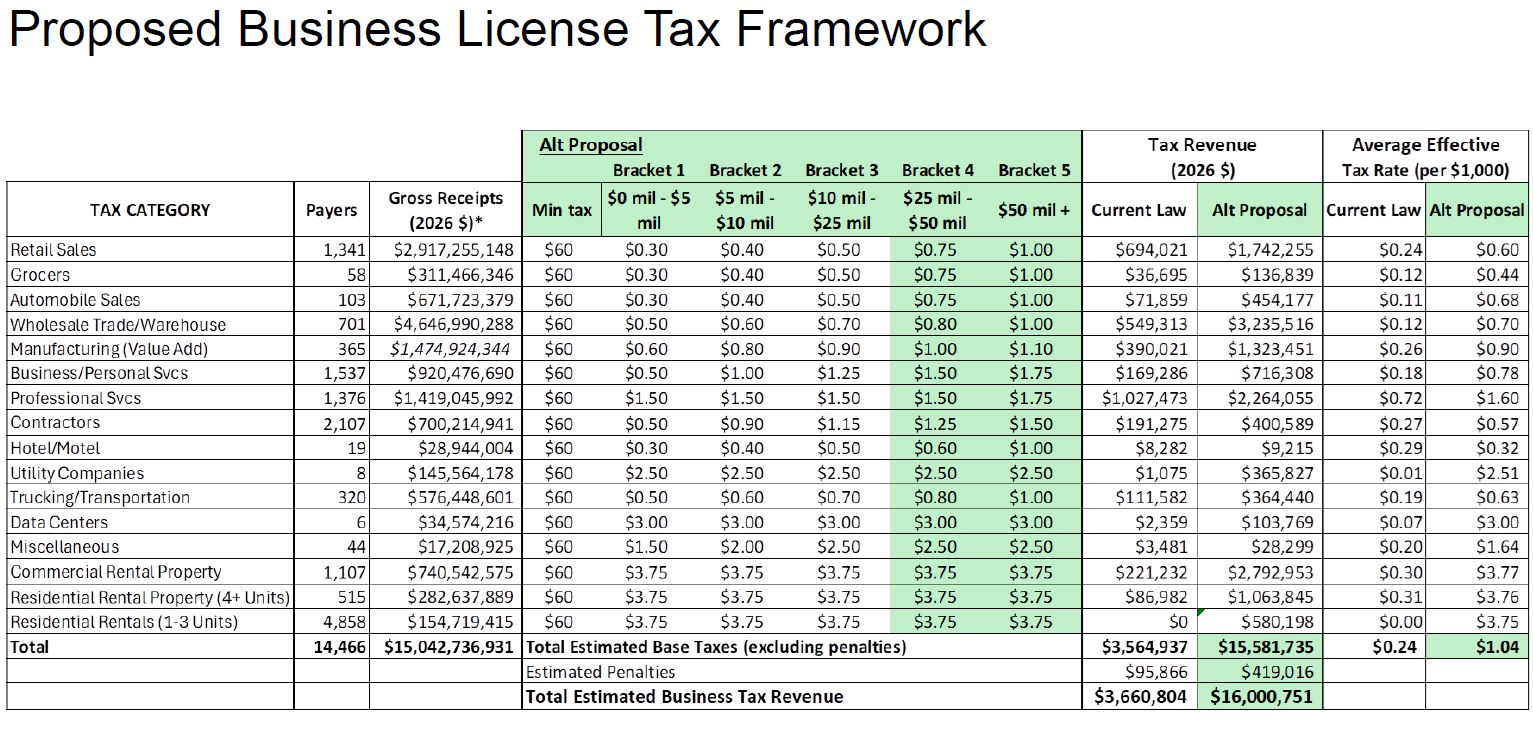
Every business would have a minimum tax of $60 per year, and the industries most affected will be Wholesale Trade/Warehouse businesses, Professional Services, and Commercial Rental Property landlords. Another change will be that landlords with between 1-3 units, who currently do not pay any Business License Tax, will be required to pay $3.75 per $1,000 of revenue—unless they somehow make more than $5,000,000 per year. This is expected to affect almost 5,000 small landlords in Hayward.
The change will put Hayward in the middle of the region, on average—a bit above Livermore, but below Newark and far below the likes of Richmond and Berkeley.
The analysis submitted by the City Attorney also mentions an alternate payroll tax of $0.70 per $1,000 of payroll for business that don't report gross receipts in Hayward, but have employees working in the city. This is to catch businesses that generate their revenue elsewhere but benefit from city services.
How This Affects Hayward
With a $30,000,000 structural deficit, the City of Hayward could use all the revenue it can get. Assuming the business landscape doesn't change too much, it could cut the deficit almost in half. It's possible that could free up other money being used—like Measure C/K1 money—to be used for other purposes, or allow for easier contract negotiations with employee groups.
It's possible that some businesses may elect to leave Hayward over the tax increase, but many of the increases targeted particularly high-earning businesses and those that have a hard time moving—warehouses can't be picked up and moved elsewhere, for example. Very small businesses, those that have less than $5 million in revenue, would see very little change—only a few cents increase—while property owners would see some of the larger increases.
Support And Opposition
Measure CC is supported by the entire City Council, Fire Fighters, and Police Chiefs, as well as city employee unions. The Hayward Chamber of Commerce did play a part in the process, but they registered neither formal opposition nor support.
That's the last of our Hayward Herald Voter Guide! As a 501(c)3, we're not covering candidates too deeply because we don't want anything to be construed as supporting or opposing any candidates. However, we did lay out the candidates running in a previous post, so take a look at that if you're interested.
Come Say Hi Saturday At The Hayward Night Market
By Collin Thormoto
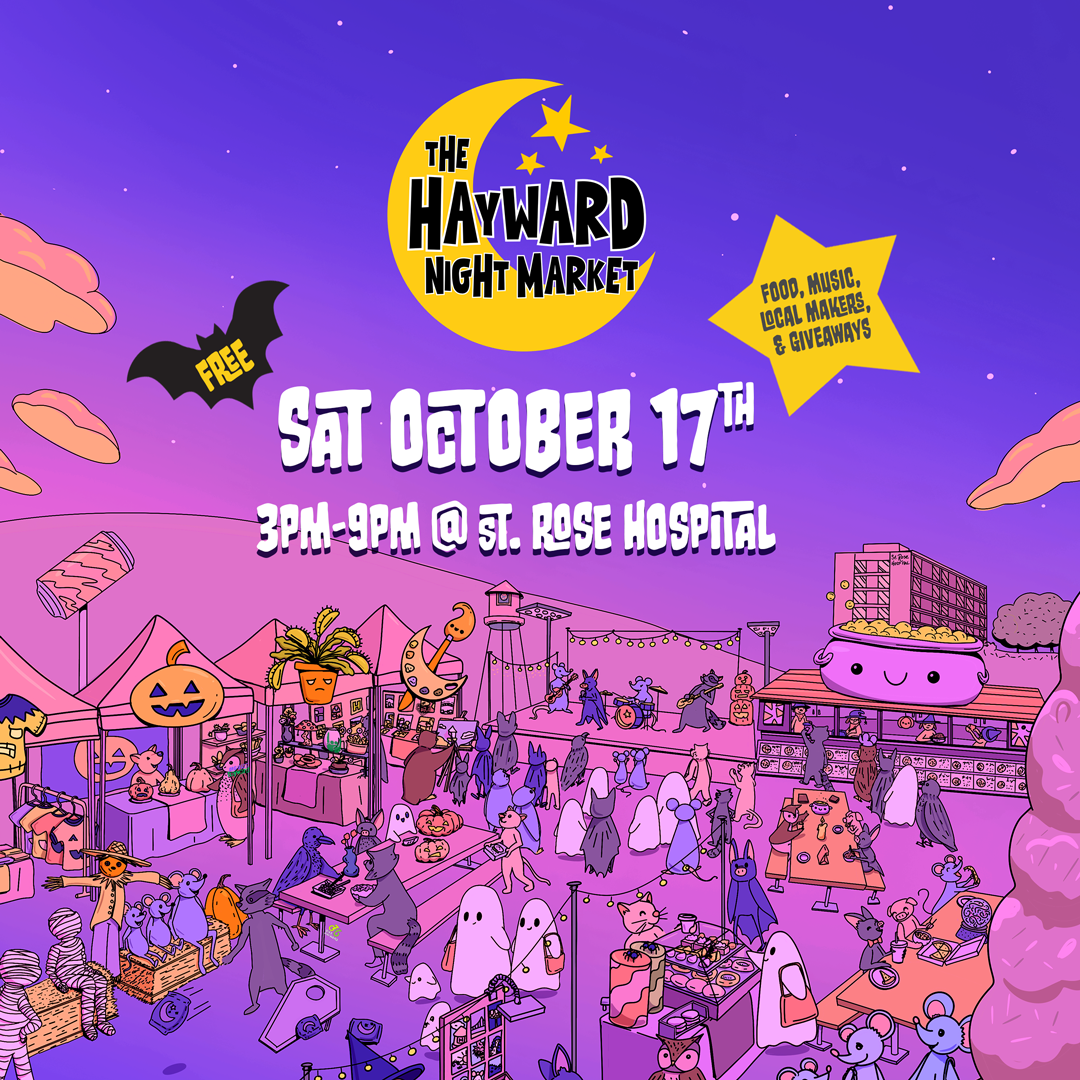
The Hayward Herald is once again coming out from behind the desk to engage with the community at the Hayward Night Market. Coming off the back of our recent event, we're excited to get out there with everyone and chat local news, politics, and happenings. There are dozens of vendors, including an Artists Alley from Art of the Bay, goods made by local creators, and local non-profits who may just be able to provide you something you need!
Something we'll be doing that we're excited to share with our readers is taking pre-orders on exclusive new merchandise! We surveyed our readers to see what you all wanted. And this is what you gave us:
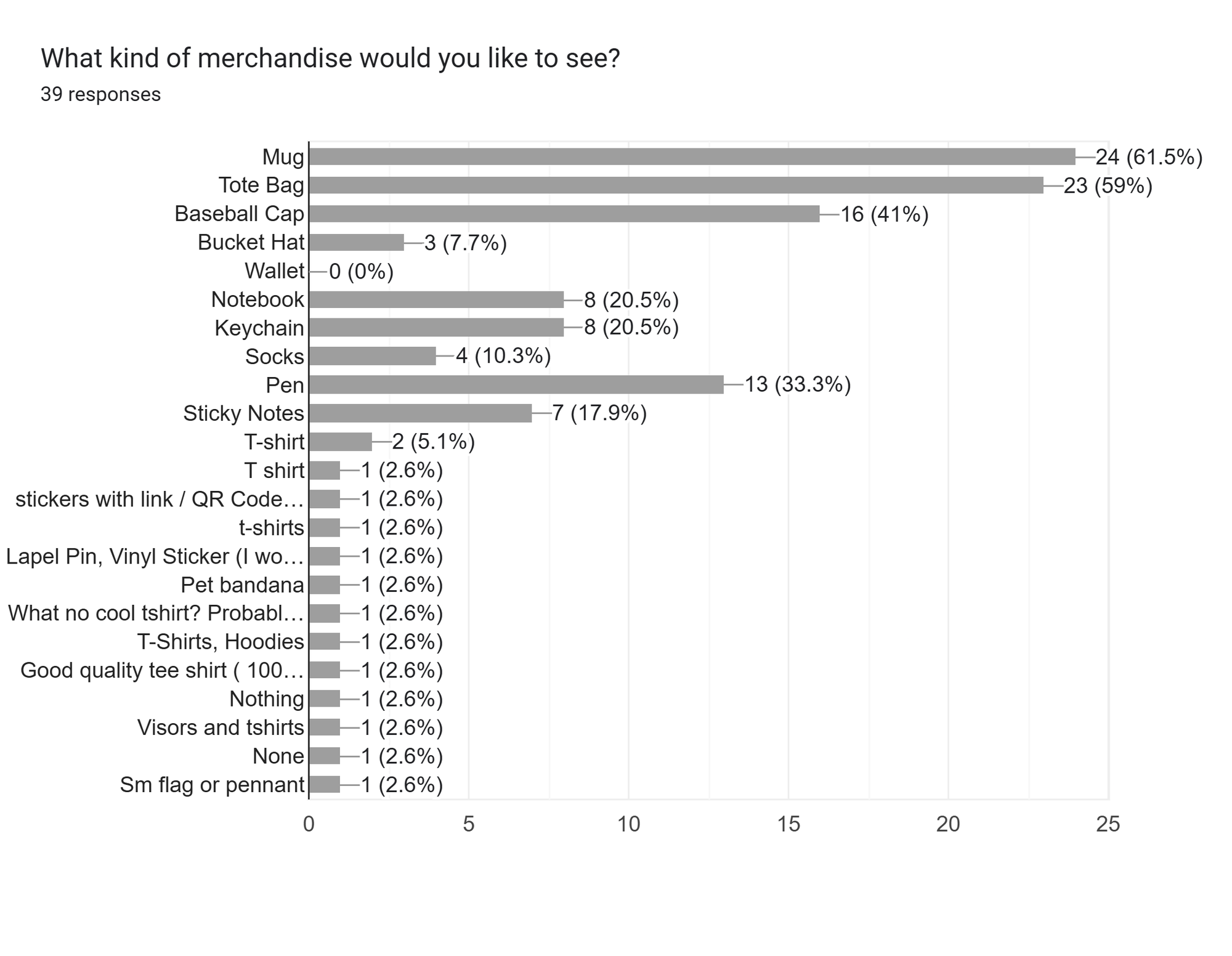
Mugs and tote bags topped the list, followed by baseball caps and pens. Plus a number of people took the time to write in T-shirts, so we figured that was popular. Unfortunately, we haven't been able to get to everything yet, but we've managed to tick almost every box!
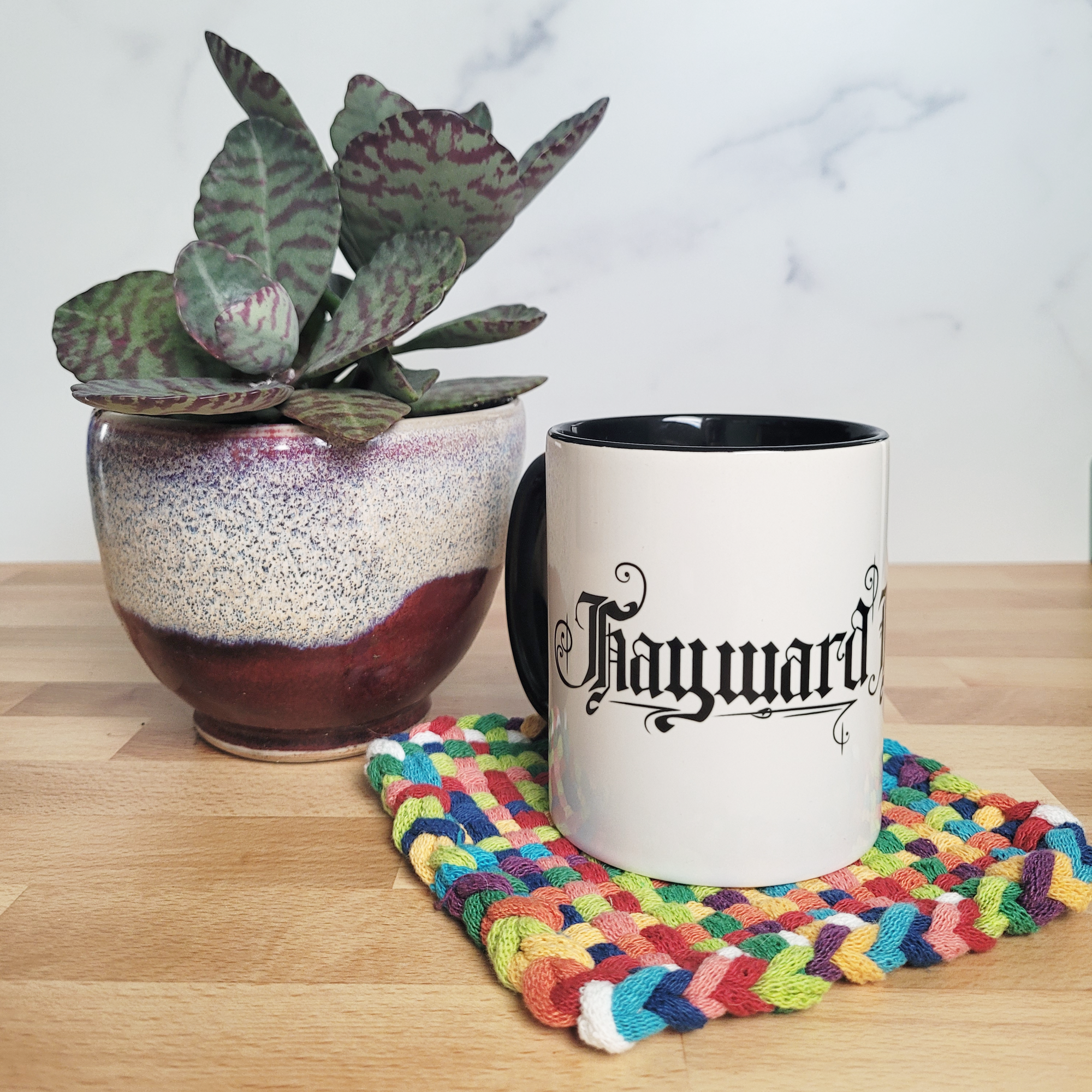

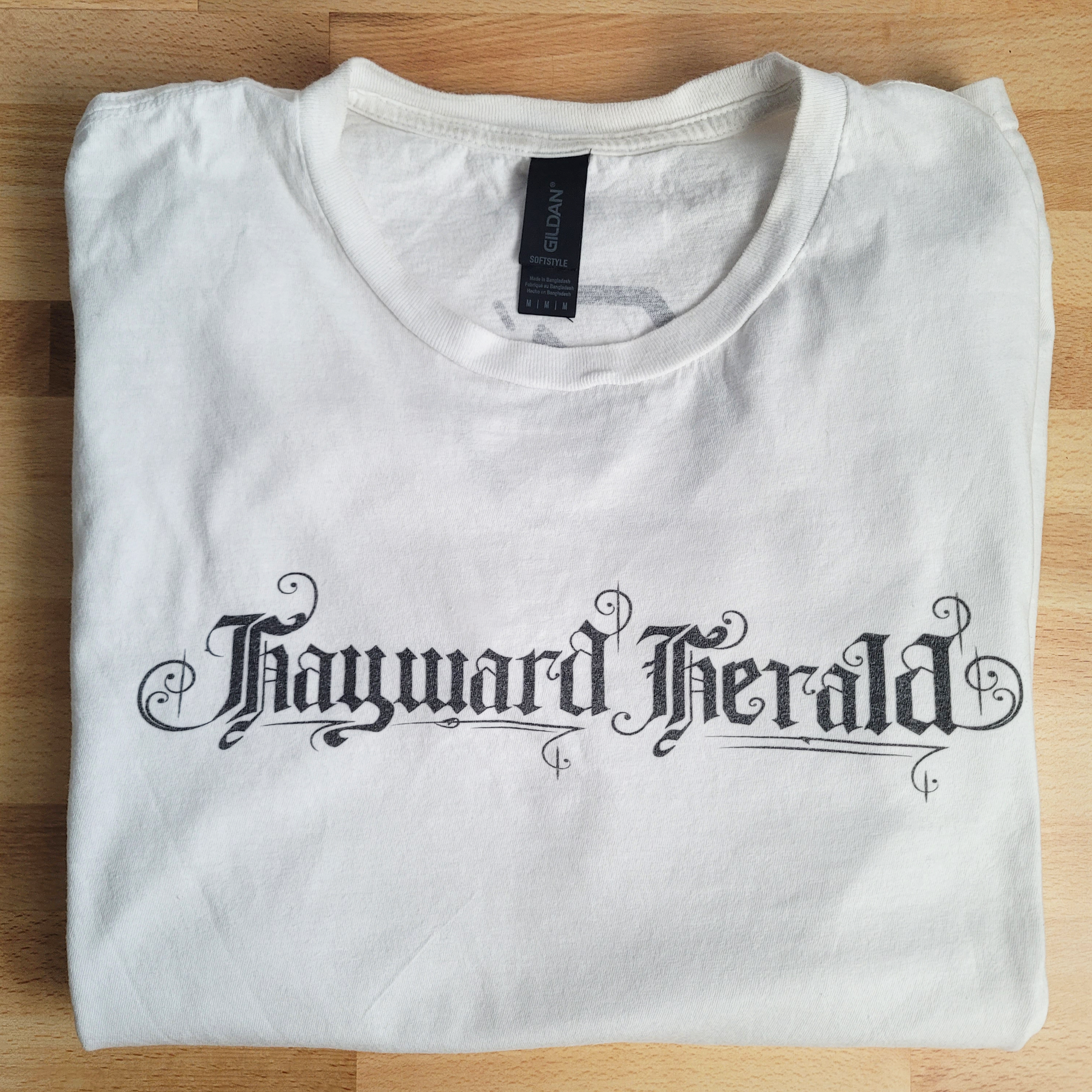
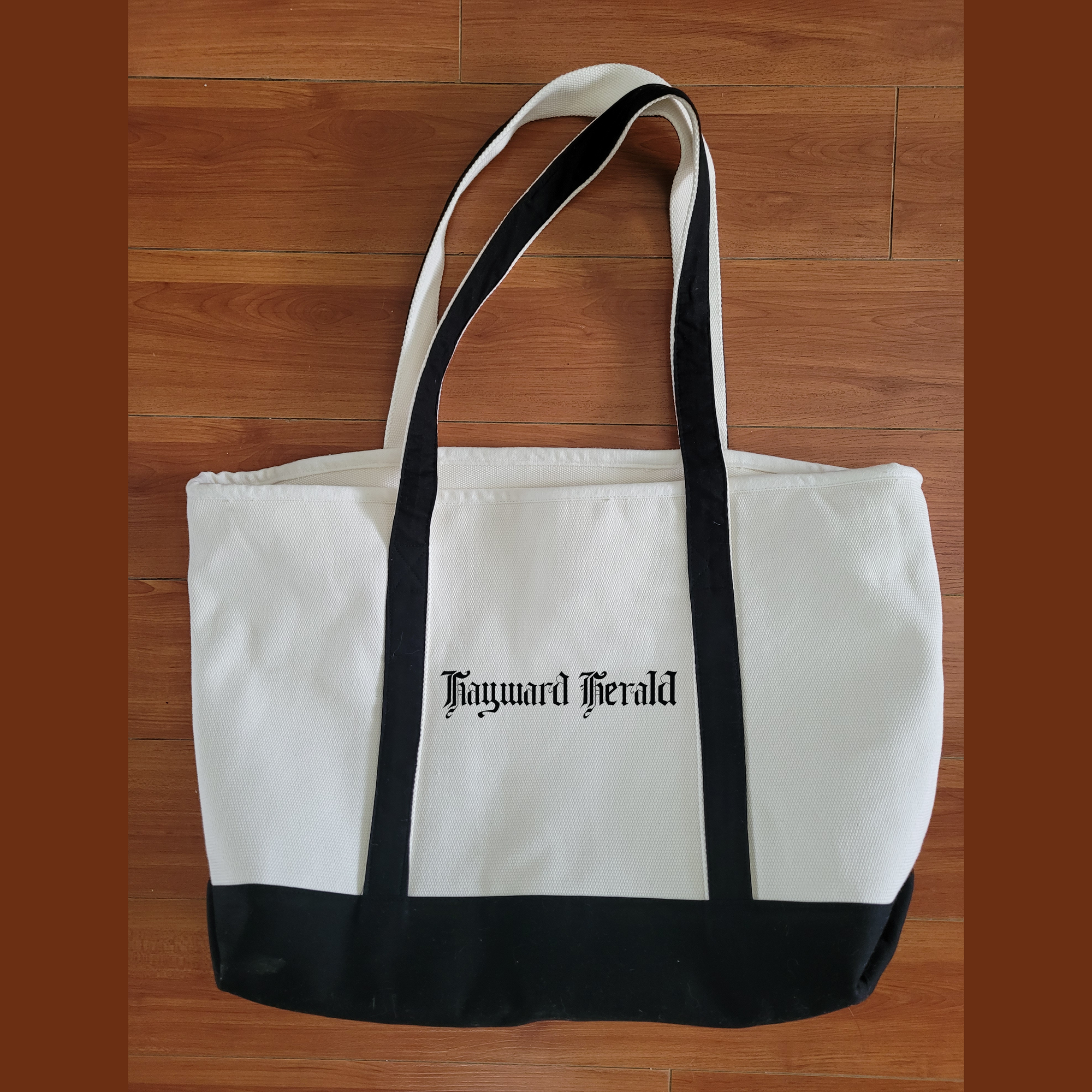
The Hayward Herald merchandise, in all its glory!
We'll have mugs, pens, shirts, and totes ready for pre-order this Saturday! We'll even have our samples out so you can check them out in-person before you commit to a purchase. The tote bag is enormous, by the way. You've got to see it to believe it.
And if you're wondering why they're pre-orders, it's because I can't store a bunch of merchandise in my house. My wife won't have it. This way we can purchase exactly as many as we need and offer shirts in as many sizes as are needed.
If you're not able to make it out on Saturday, don't fret! We'll be taking pre-orders online afterward until November 17th. That should give us just enough time to fulfill them before the holidays, in case you wanted to give someone you care about the gift of local news in a practical package.
Regardless of whether or not you purchase anything, thank you for being a reader. If you're able to make it out on Saturday, we'd love to say hi, have a quick chat, and give you a little token as a thank you. We hope to see you there!


Comments ()