
The Civics You Never Learned In School
An overview of the different departments in the city so you can be better prepared to make your government work for you.
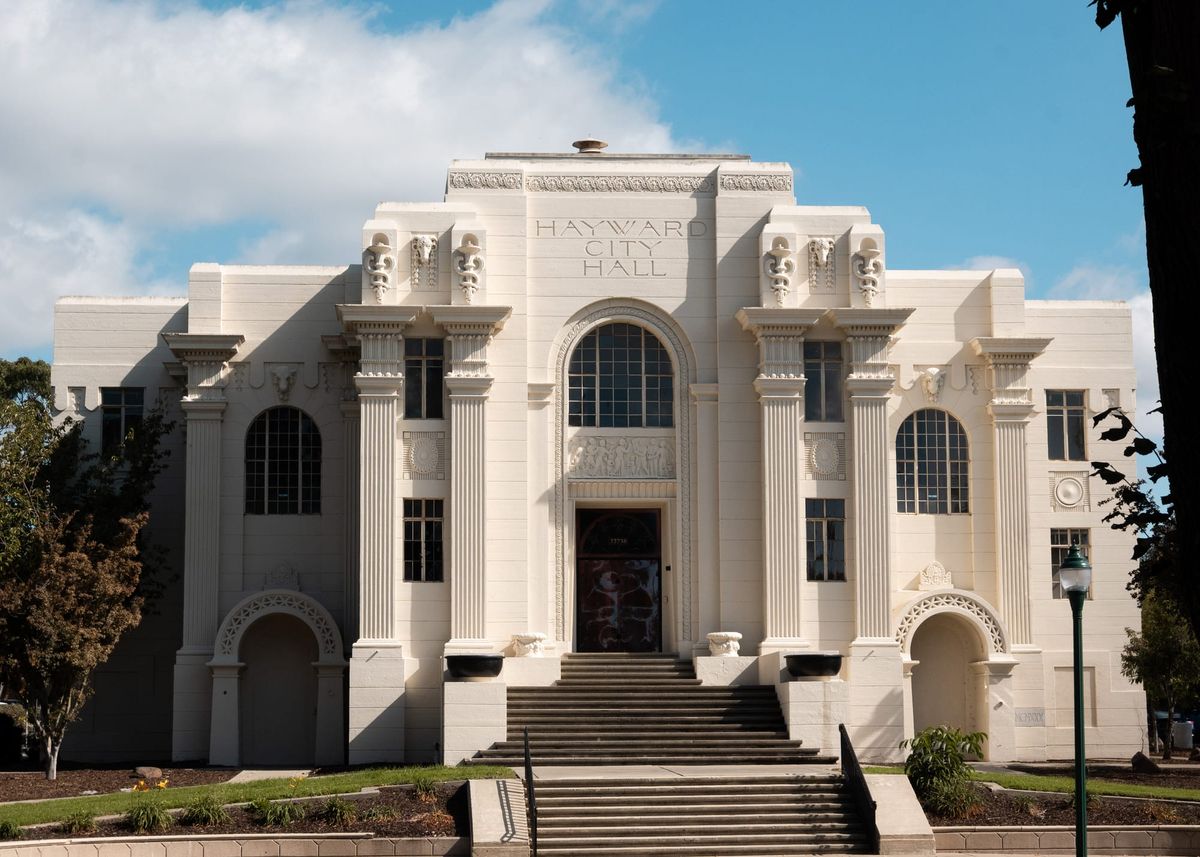
Shortly after his election, Mayor Mark Salinas revealed his vision for the City of Hayward: Education City. "This concept of Education City comes from the idea that we are a city of schools, colleges and universities, and there's only two cities in Alameda County that have it—Berkeley and Hayward,” Salinas said during his oath of office in 2023.
“We have to make sure that all of our educational institutions and the city are all working together and aligned so that families can expect that, once they have kids, they can begin their academic journey at preschool,” Mayor Salinas said. But while the idea is a noble one, the City of Hayward doesn't play a direct role in education. With 13 departments and around 1000 employees, the City of Hayward provides a lot of services, but not education.
And it's been confusing for people before. Over the last several years of City Council meetings, a few people have complained about schools or other services that the city has no control over. With that in mind, let's talk about the City of Hayward: how it's run, what it's in charge of, and where you should complain when you have a problem.
Not The Strong Mayor You're Used To

With a focus on large and long-established cities, popular media usually showcases what is referred to as a "strong mayor" form of government. The mayor of New York City or Chicago or San Francisco is a full-time position with prestige, power, and can have enormous influence over how the city is run. Zohran Mamdani's election to Mayor of New York City wouldn't be a headline if the role didn't mean anything. But that's just one model, and it's not the one Hayward has.
With smaller budgets, members of City Council and even the Mayor are part-time workers for the city. Councilmember Julie Roche said that serving on City Council in Hayward is “a sort of volunteer job with a stipend” in November of 2023 in response to discussions around Council pay. Far from the lavish lifestyles of big city Councils, our Mayor makes $67,930.00 per year and Council members $42,456.00 per year.
For context, the Annual Median Income (AMI) for Alameda County in 2025 is $159,800. If a Hayward Mayor was to only work for the city, they would be earning around 42% of the County AMI and qualify as somewhere between Very Low and Low Income. Council members would be even worse off, somewhere between Extremely Low and Very Low Income.
Despite being part-time, the Mayor and City Council are the ones who are supposed to guide the city where we—the people—want it to go. They decide on the policies and regulations for the city, but they aren't in charge of the day-to-day operations. In Hayward, the City Council have offices, but it's not like they spend all day there. They don't have staff and aren't in charge of different departments or initiatives, but they do decide what's important and generally where city resources should be spent.
Appointed Officials Make It Happen
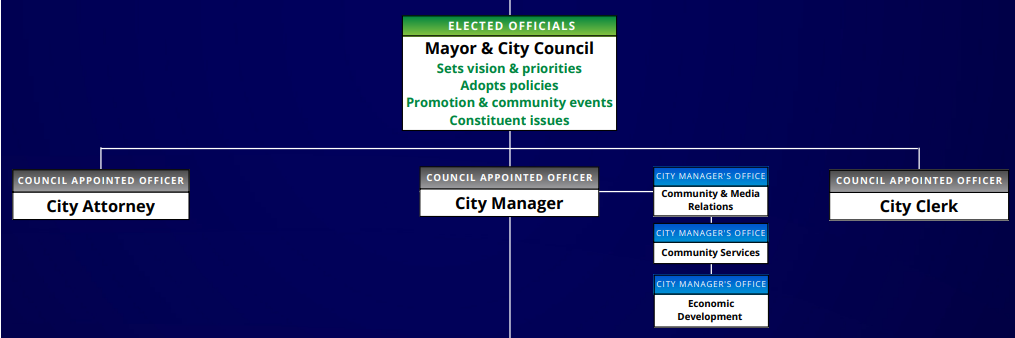
City Council has direct authority over three people: the City Manager, the City Clerk, and the City Attorney. They serve at the pleasure of the Council and are responsible for putting their vision into action. Most of that work falls to the City Manager, but the Clerk and Attorney also play important roles.
City Manager
To make up for the fact that our elected officials are part-time workers, the job of day-to-day governance falls to the City Manager. With a salary of almost $400,000 per year, they make almost as much per month as a City Councilmember makes in a year and they have responsibilities to match. Almost every department in the city ultimately reports to them and their job is to put into action what the City Council wants to do.
The City Manager's Office has 27 staff in it who report directly to the City Manager—as opposed to a Director—and includes four different divisions.
Economic Development tries to support local businesses. They guide businesses through the process of getting established, provide incentives for certain businesses, and are the people at all the ribbon cuttings. There are only four people here, but they've pushed some big initiatives.
Community and Media Relations handles all the resident-facing communications. The Stack, The Leaf, and all the press releases come from this department. They want to shape the public perception of the city. Seven people are in this department, ranging from graphics people to AV specialists, to communications and marketing.
Community Services interfaces with community services organizations and nonprofits who get some city funding. Things like the HOP, anyone who gets money through the Community Services Commission funding, and the annual Point In Time Count are all handled here. It's only got six people in it, though, so it's not doing a lot of work itself.
There are also some other staff, like the Property Manager for city land, administrative support staff, and an Equity Officer.
City Clerk
The City Clerk only has 5 staff under their purview, but they're in charge of running meetings and taking minutes, facilitating elections, and handling all the public records requests that pesky journalists and nosy residents file.
City Attorney
The City Attorney has 10 staff, most of whom are Attorneys who both litigate for, defend, and advise the city. A small but important group, the City Attorney said that his office has no budget and spends what is necessary to protect the city from liability.
General Fund City Departments
Aside from the City Clerk and City Attorney, every other department in the city answers to the City Manager. But each of these departments also has their own Director-level position that manages the day-to-day operations and is usually some kind of specialist in that area. If there isn't a department or division for a particular issue, the city doesn't handle it—simple as that.
Inward-Facing Departments
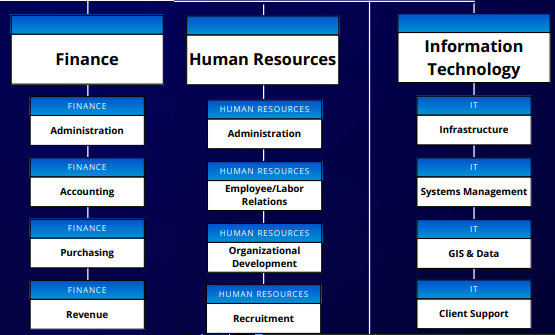
The three smallest departments handle mostly inward-facing work that's needed to keep the city going as an organization. You likely won't have a reason to interact with them directly, but that doesn't mean they're not important.
Human Resources, Information Technology, and Finance keep the wheels of government turning and are there to support other departments. HR is the smallest at 19 people and handles recruitment and retention, professional development, and personnel matters. IT has 20 staff and manage all the technology systems across the city, including recovering from ransomware attacks. Finance at 35 people is the biggest and they handle payroll and budgeting and auditing—they've recently been working to balance the budget.
Library

Easily the most popular department in the city with an unmatched social media game, the Library is the one department that just about everyone loves. This 39 person team runs both the Main and Weekes Branch libraries, facilitates educational services with the community, runs the bookmobile, and maintains one of the only places you can exist indoors for free. Despite its small size, the Library department is beloved by everyone from story time babies to bibliophile adults.
Development Services
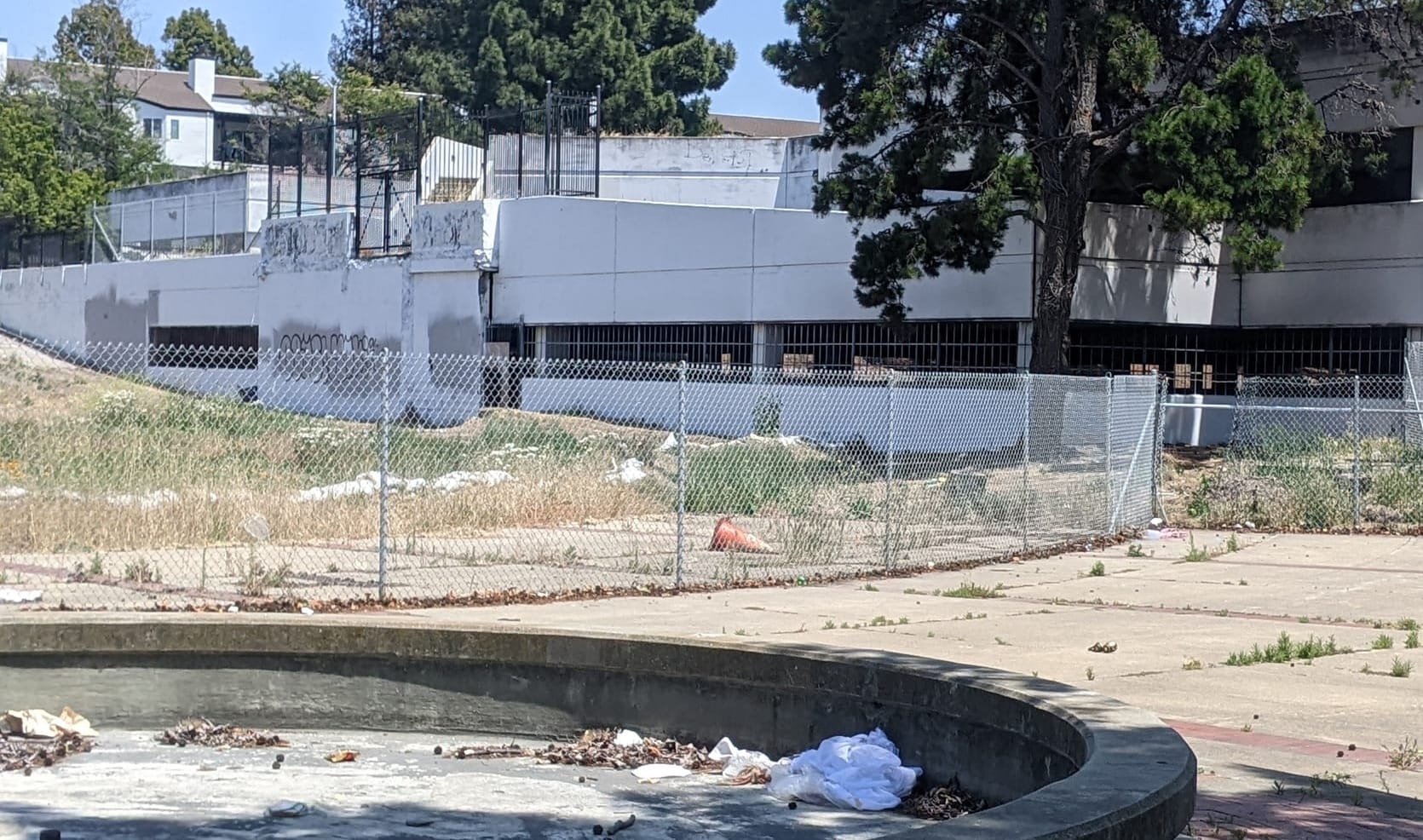
Encompassing four different divisions, the 56 people of Development Services handles all things construction and code-related. The Housing Division handles rental properties, their regulation, and disputes between tenants and landlords with a team of 5. The Planning Division does all that zoning and planning stuff that winds up in front of the Planning Commission—for better or worse, the 14 person team decides how the city develops.
The Code Enforcement Division makes sure all the rules are being followed without arresting people. From the Tobacco ordinance to rental housing habitability to sidewalk vendors, the 12 people of Code Enforcement make sure everything is above board. Finally, the Building Division handles the construction side of things with 22 people checking plans, inspecting building sites, and processing the mountains of paperwork.
Fire
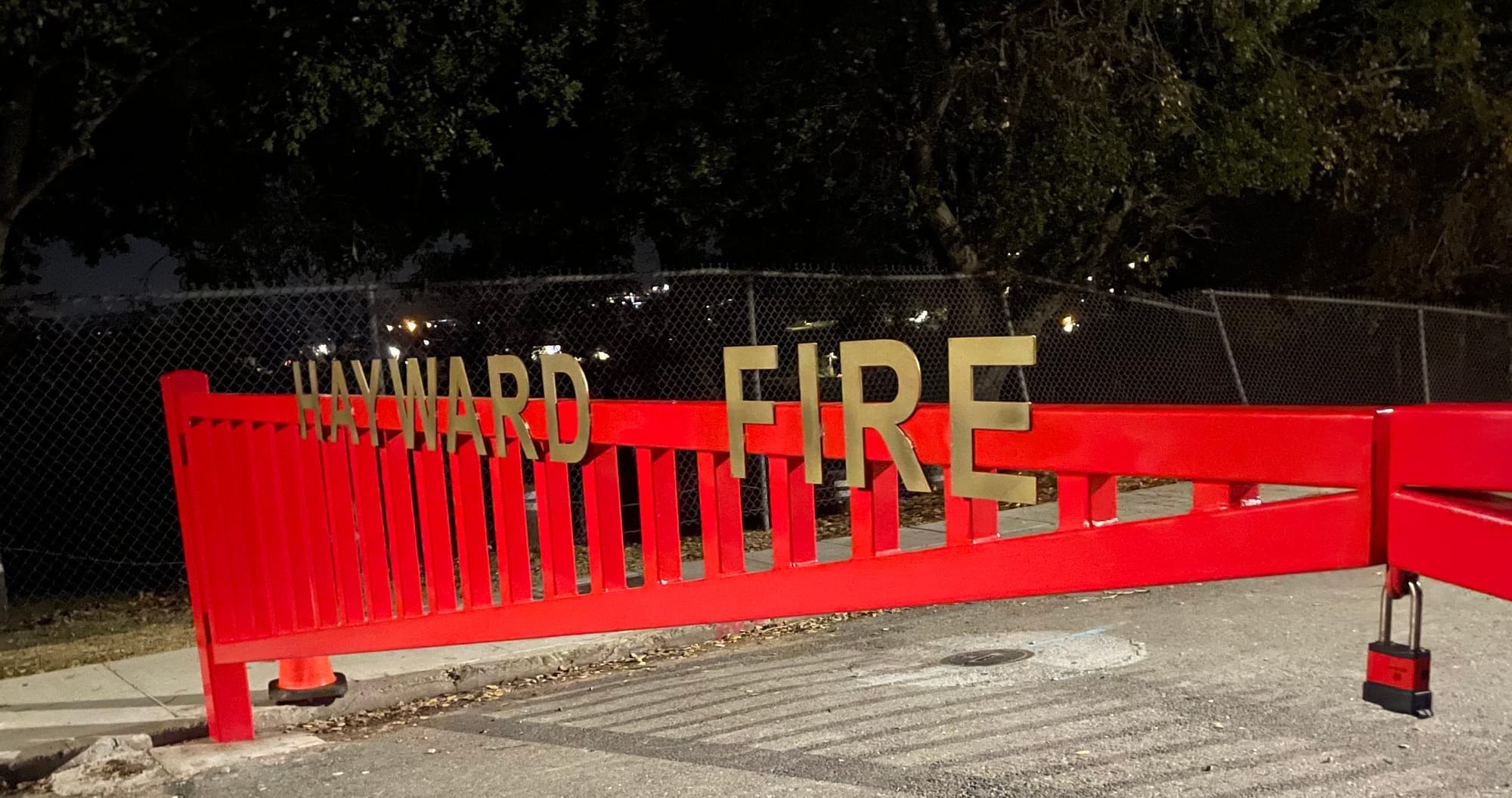
Though I've never seen them rescuing kittens from a tree, the Fire Department doesn't just respond to local fires. This 157 person department provides paramedics to 911 calls, educates the public on fire safety, approves the fire safety plans for every building in the city, and has their own administrative team to handle all the paperwork.
Police

The largest department in the city by far, Hayward's 333 person-strong Police Department is a sprawling entity within the city. Within it are four divisions. The 48 person Community Services Division is the smallest and includes Youth and Family Services, managing volunteer Community Services Officers (CSOs), traffic, and crime prevention and community issues like abandoned vehicles.
The 52 person Investigations Division does what it says on the tin, investigate crimes that have already been committed. It includes the Special Victims Unit, Homicide and Major Crimes, Robbery and Property Crimes, and the Crime Scenes Unit.
The 152 officers in the Patrol Division is mostly composed of patrolling officers, but also includes the SWAT and Crisis Negotiation Teams, and the K-9 Unit. If you see a cruiser driving by, you're likely looking at someone from the Patrol Division.
Finally, the 100 person Support Service Division handles some of the less glamorous parts of managing such an enormous department. It includes HPD's own Finance department to manage its $115,000,000 budget—almost half of the General Fund, the Records Bureau for all the records and paperwork they generate, the Communications Center which handles all 911 calls—even those meant for the Fire Department, Animal Services which operates the animal shelter, the Jail, Property and Evidence, and its own Facilities team.
Special Funding Departments
All of the above departments rely mostly, if not exclusively, on the General Fund—that's our taxes. They've been impacted most severely by the budget deficit. But there are two other departments that are funded in whole or in part by fees and grants regardless of what the budget looks like.
Maintenance Services

With a team of 73 people, Maintenance Services handles the landscaping, street maintenance, fleet maintenance, and facilities management for the whole city. These are the clean and green teams of the city who are responsible for illegal dumping and graffiti, maintain the sidewalks and streets, and keep the traffic signals working. Landscape handles the trees, growing things, and street lights of all things. Fleet and Facilities are also kind of what you'd expect: maintaining the 500 city vehicles (not counting police cars) and 46 city facilities.
Public Works and Utilities
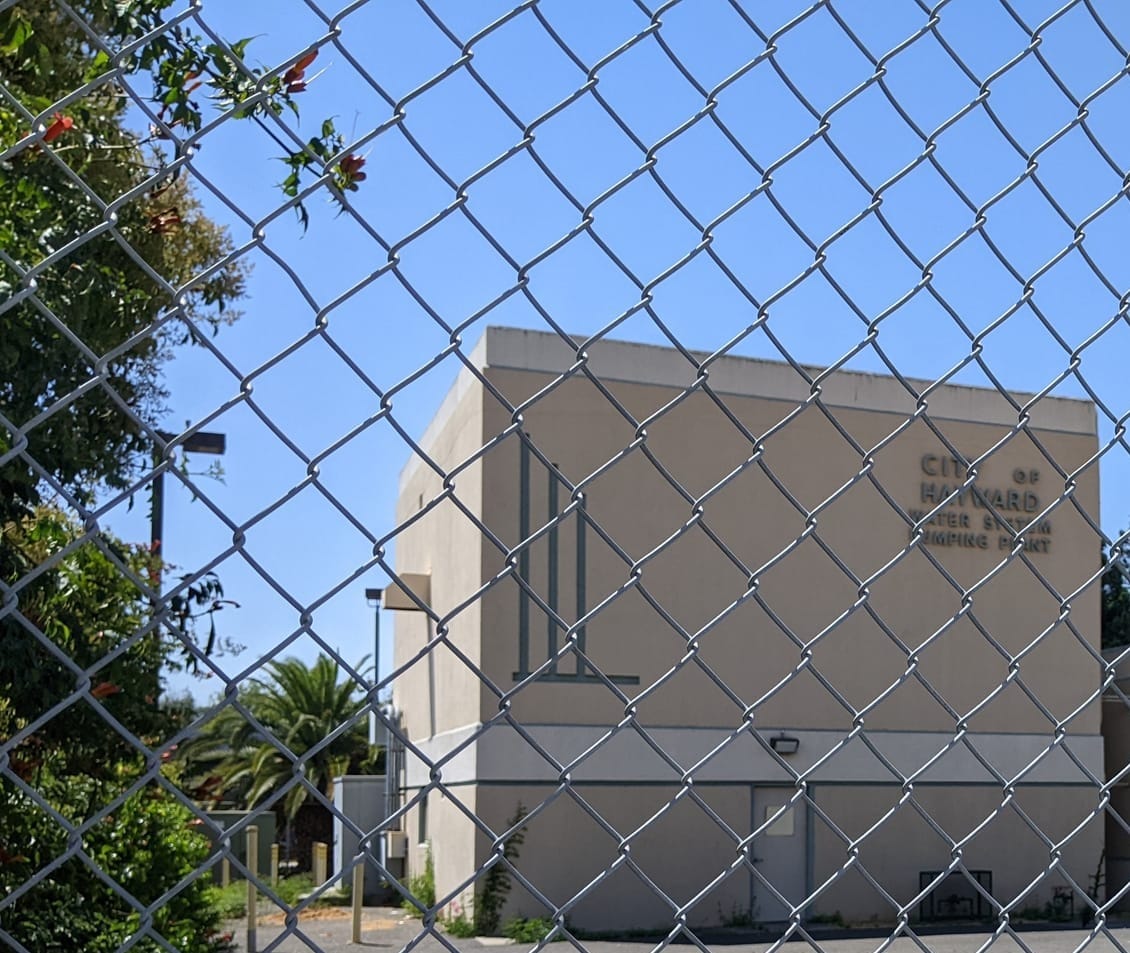
Public Works and Utilities covers most of the important but often under-appreciated infrastructure of the city. From survey and design to transportation engineering to water and sewer systems to the Hayward Executive Airport, all of it falls under Public Works and Utilities. This 172 person department handles many of the things you likely don't think about, but would be incredibly sad if it was gone.
What Do I Do With All This?
Having this information isn't really necessary, but if you know what the city does and which department handles what, you'll be better positioned to get the change you want. Having issues with traffic? Don't call the police, call public works to get a transportation survey done. Having an issue with a service provider? Don't go to the Library where you may have met them, go to the Community Services Division which actually handles their funding. And if you want to complain about salaries, maybe you should look at who actually gets paid more than $200,000 per year.
If you look at the top, you'll see that we are the ones at the top of the organizational chart. This is our government—we pay for it and choose the people in charge. The more you know, the better you can make your government work for you.



Comments ()